Weekly cleaning
£24per cleaner-hour
3 hours minimum · £72 daytime basePlan weekly cleaning
A furnished home needs a cleaning plan that recognises the surfaces and belongings already in place. Choose the accessible tables, fittings, floors and domestic rooms you want attended to, with care information for anything sensitive. Local House Cleaners London can assess your Westcombe Park request around useful results and suitable methods, giving you a clear scope and full price without assuming every item can be handled in the same way.

Moving area names stop while hovered or focused. Press Enter or Space, or tap the moving area, to keep them still after leaving. Activate again to allow movement. Browse the directory for the complete list.
A regular helping hand, a proper reset or a clean before your next move. Choose the work your home needs.
Keep the kitchen, bathrooms and everyday rooms feeling cared for.
Explore regular cleaning02 ↗More time for reachable detail and the build-up that needs extra attention.
Explore deep cleaning03 ↗An agreed empty-property checklist, ready for your next chapter.
Explore tenancy cleaningA clear plan for your Westcombe Park home, from the jobs you need to an agreed visit.
Add your contact details and save your home address.
Pick your service, tasks and property details. Choose a date and start time, then check the full cost.
Top up from £35, with enough to cover the whole visit. The booking amount is reserved from your balance when you confirm.
Agree the plan and an available time. Your visit details stay in your account.
These are starting points. The final scope, timing and suitable cleaner availability need confirmation.
£24per cleaner-hour
3 hours minimum · £72 daytime basePlan weekly cleaning£26per cleaner-hour
3 hours minimum · £78 daytime basePlan fortnightly cleaning£28per cleaner-hour
3 hours minimum · £84 daytime basePlan one-off cleaning£35per cleaner-hour
4 hours minimum · £140 daytime basePlan deep cleaningEarly starts, late finishes and next-day requests can cost more. The full breakdown is shown before agreement. See timing prices and assessed extras →
Studio & 1 bed from £189 · 2 beds from £269 · 3+ beds & houses from £329
 Westcombe Park · SE3
A clean is more useful when the cleaner knows exactly where to start. Pick your rooms, add your priorities and allow enough time for the work.
Ironing and laundry use the same booked time. A long checklist may need more than the minimum visit.
Build my cleaning planHouse, flat or studio—start with what matters most to you.
A room can be fully furnished and still offer useful accessible cleaning areas. Start with those places: a cleared coffee table, a suitable reachable shelf, the kitchen preparation surface or the walking area around the furniture. Identify the result you want instead of a broad instruction to clean everything. The agency can assess the actual task and give the cleaner a scope that makes sense in your own home.
Tell us what will remain in place and what preparation the household will make. A large cabinet, heavy sofa or delicate display may restrict access to part of a room. That does not prevent useful work elsewhere, but the boundary should be clear. The cleaner should not have to choose between lifting an unfamiliar substantial item and leaving a surface you assumed would be reachable.
Identify finishes that affect the cleaning method. You may know the care instructions for a table, a fitted unit or a floor, or be uncertain about a particular coating. Give the information you have and be honest about what is unknown. The assessment can then consider suitable care without making a confident material claim from the colour or appearance of an item in a room photograph.
Greenwich Council lists Mycenae House at 90 Mycenae Road, SE3 7SE. For a home nearby, provide the full residential address, number and appropriate entrance details. A local community building can help locate the area, while your particular property identifies the work being assessed. Its public address says nothing about the furniture or finishes inside your home or permission to enter it.
Choose a leading result that will be easy to recognise afterwards. You might want the accessible living-room surfaces attended to before the kitchen, or the bathroom and main floor route as the core work. Optional details can be assessed separately. This gives the agency a practical order when considering labour and prevents a long list of valuable objects from obscuring the ordinary cleaning outcome that matters most.
Keep the household’s personal arrangement under its own control. Decide where papers, ornaments and other belongings should go before exposing a selected surface. The cleaner can then concentrate on suitable cleaning rather than rebuild a display or infer a storage system. You are making working space available, not being asked to make the room clean before the appointment begins.
For a wooden or coated table, explain the finish if you know it and provide the relevant care guidance. A surface can look similar to another while needing different treatment. The agency should assess an appropriate approach for the particular item rather than assume a general furniture product is suitable for every table in the room. Existing marks or damage should also be disclosed so the expected result is realistic.
Choose the part of the table you want considered. A suitable accessible top can be a definite task, while the underside, detailed legs or an extension mechanism may need more description and labour. A request about the dining table should not require dismantling furniture or lifting a heavy section. Explain the work that matters and what will be safely available for the cleaner to reach.
A cabinet can have different requirements inside and out. Cleaning an accessible exterior is not the same as removing a collection from within it and cleaning every shelf. If a selected empty interior is wanted, identify it and confirm the household preparation. This creates a task with a clear boundary and avoids an ordinary furnished-room clean becoming a general sorting and storage project.
Painted doors, suitable handles and reachable skirtings can be useful details if they are included explicitly. Tell the agency about unstable fittings, flaking finishes or a particular restriction affecting the method. Cleaning does not repair the coating or make worn edges new. The assessed work should focus on suitable removable residue while respecting the existing condition of the item.
Keep private papers, jewellery and delicate collections outside ordinary handling unless a particular suitable task has been assessed. Their personal value and arrangement are not obvious to someone arriving to clean. The household can put them away or choose a narrower reachable area around them. That choice protects your preferences and gives the cleaner a practical instruction without requiring a judgment about which object matters most.
If you want attention to a particular mark, describe where it is and what you know about it. Mention any previous treatment and care instruction rather than ask the cleaner to keep trying stronger methods until it disappears. Some marks come from wear or damage. A useful assessment distinguishes the proposed cleaning from restoration or repair, so you can decide whether it addresses the concern you actually have.

Glass furniture can be a visible priority within a furnished room. Identify the table or cabinet surface and explain which side you want cleaned. The agency needs the actual item, condition and access, particularly where a loose top or delicate fittings affect the work. A clear request gives the cleaner something assessable rather than a broad instruction to make every reflective object in the house look perfect.
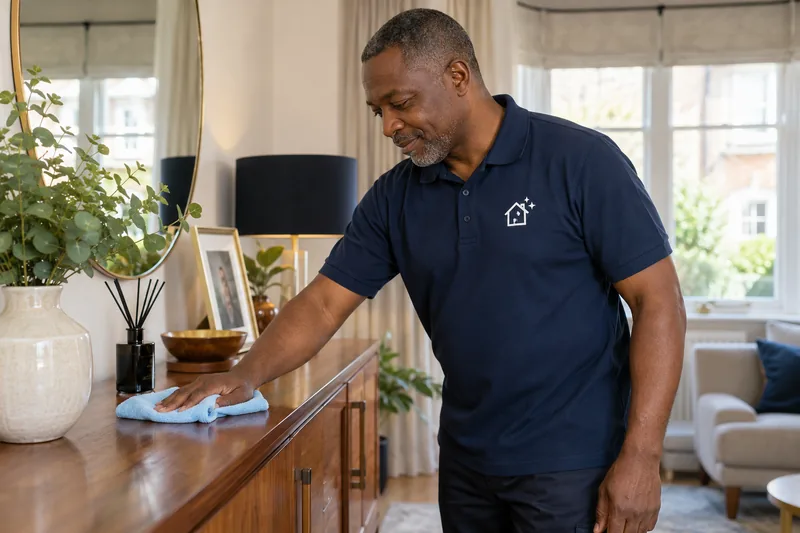
A mirror can be included as a suitable reachable task where agreed. Tell the agency about a fragile mount, unusual coating or existing damage. A mirror fixed securely at an accessible height presents a different arrangement from a heavy freestanding item that would need moving. The cleaning should not depend on dismantling or stabilising furniture before the agreed surface can be reached.
For a glazed display cabinet, choose the outside surface or a selected prepared interior explicitly. The household should handle the contents and their arrangement. Removing fragile pieces and deciding where they can be safely placed is separate from cleaning a cleared suitable surface. The cleaner should not have to assess a collection’s value or reorganise it to satisfy an instruction that did not explain which glass was intended.
Accessible internal windows may be another request, with the actual number, size, condition and method assessed. Exterior or unsafe high-level work should not be assumed. Explain whether the sill will be clear and pass on known frame or glazing instructions. A furnished home may need household preparation around the selected window before its inside surface is genuinely available.
Take care with photographs where reflective surfaces are involved. A useful image can show a mark or the item to be assessed without also revealing private papers, faces, screens or access information behind the camera. Frame only what is relevant and send a short explanation. The agency needs the cleaning question, not a record of unrelated belongings simply because they appear in the mirror.
Keep the expected improvement tied to the accessible surface. Scratches, damaged coatings and moisture between glazing layers are different from removable marks. Suitable cleaning does not guarantee a repair or restoration result. The agency can explain the proposed task and limits so the chosen glass detail contributes to the room clean without carrying an impossible expectation about every imperfection.

Suitable ordinary carpet vacuuming can be included in a domestic room plan, with the accessible area understood around furniture staying in place. Tell the agency about loose edges, delicate rugs or any known restriction affecting the method. The cleaner should not have to move a large bed or sofa to reach an area that was never explained. The assessed result needs a workable boundary on the actual floor.
Hard flooring should be described by its material and condition, with relevant care instructions passed on. The method needs to suit that surface rather than follow a single assumption across the whole furnished room. Clear loose objects from the area you want reached and keep an essential walking route available as arranged. These preparations let the cleaner concentrate on the agreed suitable care.
For recurring domestic work, provide a working vacuum, mop and bucket. The company supplies approved cleaning products, cloths and protective equipment unless the quote says otherwise. Tell the agency about faults or an inaccessible storage place before the visit. A proposed floor task needs a usable tool and practical access rather than a general statement that the household owns equipment somewhere in the property.
If the sofa itself is the concern, request specialist fabric cleaning separately. Give the seating size, material, condition and care information so suitability, trained operation and appropriate equipment can be assessed. Ordinary cleaning around an upholstered item does not include an extraction treatment or promise to remove every stain. The actual proposed item needs a clear scope and method.
A two-seat sofa treatment starts from £70, subject to assessment. The standalone appliance or fabric-cleaning booking minimum is £85, rather than an automatic extra £85 added to the starting item figure. Ask for the complete price for the booking and any other items you want considered. A £70 starting price alone does not establish a £70 standalone visit or define all fabric work in the room.
Follow the guidance for room use after any assessed specialist treatment. Drying circumstances and method can vary, so do not plan around a universal promise taken from another job. The agency should explain the relevant readiness and use considerations for your item. You can then choose the work with a practical understanding of how it fits the household, rather than decide only from the starting price.
A furnished-home plan often needs more than the sitting room, but the kitchen tasks should still be explicit. Identify the suitable worktops, sink and hob exterior you want attended to and describe their condition. Personal items and food should be organised by the household before the selected working areas are cleaned. The agency can assess a definite task without treating all kitchen contents as cleaning responsibilities.
Different kitchen finishes may sit close together: a worktop, coated appliance front and painted cupboard door can need different care. Pass on the information that affects the method and disclose damage. The cleaner should not need to guess that every part can receive the same treatment. A suitable room result comes from attention to the actual materials and scope rather than indiscriminate scrubbing of every visible mark.
Appliance and cupboard interiors need their own request where wanted. Describe the item, condition and preparation, with selected cupboards emptied as agreed. An ordinary kitchen-surface plan does not automatically include every interior. If the work is part of a defined empty-property tenancy or move-in service, its included single oven, empty cupboards and accessible internal windows should remain protected from duplicate ordinary extra charges.
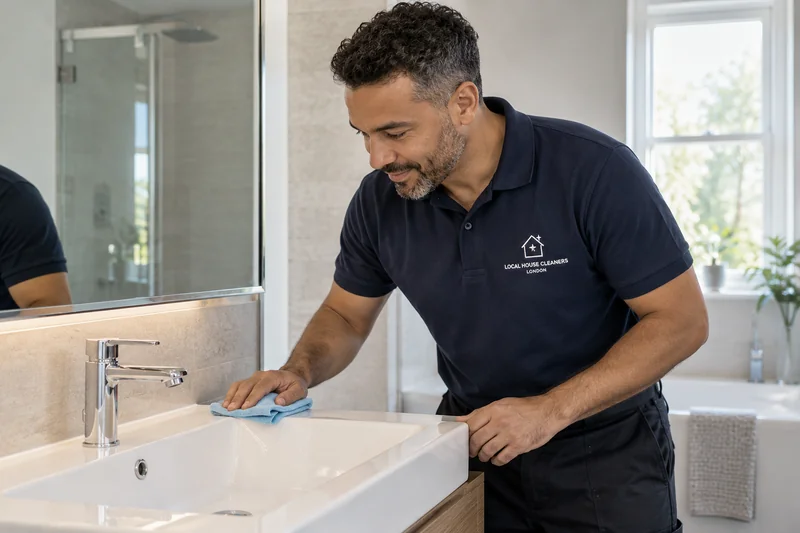
For bathrooms, identify the fixtures and the current concern, including heavier residue that changes the labour or service assessment. Put personal toiletries and medicines away from the areas to be worked on. Suitable fittings and floors need relevant care instructions and known damage disclosed. A bathroom clean does not repair loose taps, replace sealant or resolve an underlying defect because it is included in a wider household visit.
Ready clean linen or towels can be an agreed finishing task, with their destination clearly identified. Washing, drying, folding, ironing and bed preparation are different stages requiring realistic readiness and labour. You can choose a specific helpful result without adding a complete laundry cycle to the domestic plan. The agency needs the actual request so the cleaner knows what is prepared and what should be left alone.
Keep the leading room priorities visible as these tasks are added. A living-room surface plan may need a different allowance if a bathroom and extensive kitchen work are also wanted. The agency can assess that combination before confirmation, with occasional details quoted or prioritised separately. The aim is useful cleaning across the spaces you choose, not a room list so broad that every task receives too little attention.
Weekly domestic cleaning is £24 per cleaner-hour, fortnightly cleaning £26 and one-off cleaning £28, each with a three-hour minimum. A cleaner-hour means one cleaner working for one hour. Furnished rooms need the accessible surfaces and tasks assessed within that labour. A particular bedroom count or furniture style does not establish a fixed completion time or mean every item can be handled safely within the minimum visit.
One cleaner working four standard daytime weekly hours has a base cost of £96. That provides four working hours for the scope agreed together, with the room priorities and access understood. It is not four hours for each area. The agency should assess whether the chosen tables, kitchen, bathroom and suitable floors can fit that allowance or whether the plan needs a different labour commitment.
More intensive domestic work may require deep cleaning at £35 per cleaner-hour with a four-hour minimum. One cleaner working four standard daytime deep-clean hours has a base cost of £140. The appropriate service depends on the condition described, not on whether a room contains attractive or older furniture. The scope still needs suitable access and methods, with repairs or specialist restoration kept distinct from cleaning.
Give the requested date and start time so the quote includes applicable adjustments. Early and late hours, next-day requests and relevant bank holidays can affect the full charge, and suitable cleaner cover must be checked. A base daytime illustration helps explain labour cost. Your decision should use the complete quote for the actual rooms, materials and timing rather than a starting figure detached from its assessed scope.
The minimum account top-up is £35, which is separate from the cost of a cleaning visit. A confirmed booking needs sufficient funds and the agreed reservation for the quote. Depositing money alone does not reserve a cleaner or approve work on additional items. Settle the suitable tasks, timing and full price so the funding arrangement supports the plan you actually choose.
If an item or condition needs a changed scope during the visit, the agency can review the proposal. Extra work or overtime requires approval of the additional task, labour and charge before proceeding, subject to suitable cover. A remaining account balance or an unanswered message does not give that permission. The cleaner can then follow the original priorities while any significant change receives a clear decision.
National Rail places Westcombe Park station on Station Crescent, SE3 7EQ. For your own address, provide the complete property details and authorised entry arrangement rather than a direction only to the station. Mention practical internal access affecting the agreed rooms. The cleaner needs the particular home and working route; a local landmark cannot confirm which private door or area they have permission to use.
Keep relevant care instructions available and current. If a table is refinished, a new rug arrives or the accessible room arrangement changes, tell the agency about the effect on the chosen tasks. A short specific update is easier to use than several conflicting product suggestions. The assessment can then follow the actual home rather than carry forward a method based on a surface or layout that has changed.
Review the particular accessible surfaces and room tasks in the confirmed plan. Consider the condition and limitations explained beforehand, including anything deliberately left untouched. A suitable clean can be worthwhile without moving every piece of furniture or repairing wear. Feedback should relate to the agreed work so the agency can understand an observation and consider an appropriate response to it.
Report a concern promptly, naming the item and where you see the issue. A focused image may help while keeping private papers, people and entry information outside the view. Explain the task agreed and what you noticed. This gives the agency a clearer basis for review than a general statement that a furnished room has not changed enough after ordinary cleaning.
For a regular arrangement, keep a useful core of tasks and request occasional details consciously. You might retain selected living-room surfaces and suitable floors, while an emptied shelf or specialist fabric item is considered separately when needed. Added labour still requires scope and price review. A clear routine can care for the places you choose without turning every appointment into a complete inventory of the household’s belongings.
To request Westcombe Park cleaning, give the address, property type, chosen rooms, condition and preferred date and time. Identify sensitive finishes and the areas that will be made reachable, with a clear leading outcome. The agency can assess suitable cleaner cover, practical labour and a complete quote for work that fits the furnished home you actually have.
Need to compare the details? See more cleaning questions →
Yes, describe the accessible surfaces and floor areas, what preparation the household will make and any care restrictions. Heavy lifting, removals, dismantling furniture and organising personal collections are not assumed. The agency assesses a suitable scope around the actual arrangement.
Say what you know, provide any manufacturer or installer care guidance and disclose existing damage. An uncertain material or coating should be assessed openly rather than guessed from appearance. A particular item may need a narrower method, specialist care or exclusion from the ordinary task list.
The specialist item starts from £70, subject to material, condition, access and suitable equipment assessment. The standalone appliance/fabric booking minimum is £85; it is not an extra £85 automatically added to the item. Ask for the actual scope and complete booking quote.
One cleaner working four standard daytime weekly hours at £24 per cleaner-hour has a base cost of £96. The chosen tasks must fit the assessed labour. Applicable date and start-time adjustments and separately quoted items are included in the complete price before confirmation.
Take a look around the area, then use your full postcode to plan a clean for your own home.
Area reference only. This map does not mark a company office or confirm service boundaries.
This embedded map is provided by Google, which receives connection information and may use cookies. Google privacy information.
Postcode districts help you browse. They overlap neighbourhood boundaries; your full address and available cleaner time still need checking.
Start with your postcode. We’ll plan the clean around your home.