Weekly cleaning
£24per cleaner-hour
3 hours minimum · £72 daytime basePlan weekly cleaning
The cleaning list can grow quickly when everyday rooms, stairs and household extras all need attention. Our Brixton Hill service starts by putting that list in order. Tell us what should be cleaned, what can wait and how the appointment fits your day. Local House Cleaners London uses those details to prepare a practical request for your SW2 home, with a clear scope and enough time considered for the work.

Moving area names stop while hovered or focused. Press Enter or Space, or tap the moving area, to keep them still after leaving. Activate again to allow movement. Browse the directory for the complete list.
A regular helping hand, a proper reset or a clean before your next move. Choose the work your home needs.
Keep the kitchen, bathrooms and everyday rooms feeling cared for.
Explore regular cleaning02 ↗More time for reachable detail and the build-up that needs extra attention.
Explore deep cleaning03 ↗An agreed empty-property checklist, ready for your next chapter.
Explore tenancy cleaningA clear plan for your Brixton Hill home, from the jobs you need to an agreed visit.
Add your contact details and save your home address.
Pick your service, tasks and property details. Choose a date and start time, then check the full cost.
Top up from £35, with enough to cover the whole visit. The booking amount is reserved from your balance when you confirm.
Agree the plan and an available time. Your visit details stay in your account.
These are starting points. The final scope, timing and suitable cleaner availability need confirmation.
£24per cleaner-hour
3 hours minimum · £72 daytime basePlan weekly cleaning£26per cleaner-hour
3 hours minimum · £78 daytime basePlan fortnightly cleaning£28per cleaner-hour
3 hours minimum · £84 daytime basePlan one-off cleaning£35per cleaner-hour
4 hours minimum · £140 daytime basePlan deep cleaningEarly starts, late finishes and next-day requests can cost more. The full breakdown is shown before agreement. See timing prices and assessed extras →
Studio & 1 bed from £189 · 2 beds from £269 · 3+ beds & houses from £329
 Brixton Hill · SW2
A clean is more useful when the cleaner knows exactly where to start. Pick your rooms, add your priorities and allow enough time for the work.
Ironing and laundry use the same booked time. A long checklist may need more than the minimum visit.
Build my cleaning planHouse, flat or studio—start with what matters most to you.

Walk through your home as though you were explaining the visit to someone who has never been inside. Include the entrance, hallways, stairs and landings where they belong in the clean. Then identify the kitchen, bathrooms, bedrooms and living spaces that matter this time. These linking areas are easy to leave out of a request but still take time to vacuum or mop. A list of bedrooms alone cannot describe the work in a home used across several levels.
Brixton Hill has its own local setting rather than being a second name for every address near central Brixton. Lambeth Council’s Rush Common and Brixton Hill conservation profile describes commercial and public buildings along the main road, with residential development in adjoining streets. Use your complete address and property type so the request is placed accurately. Whether yours is a house, a converted flat or a studio, the cleaning should be based on its layout rather than an assumption about the neighbourhood.
Describe the route through the property in the same way you would show it to a visitor. Is the kitchen on the entrance level, is there a bathroom on another floor, and which rooms need attention along the way? You do not need a measured floor plan to explain that sequence. A straightforward description helps identify the work and the equipment involved, especially where a request otherwise lists only the bedrooms and leaves the rest of the household’s shared space unmentioned.
If your home is a flat within a larger building, distinguish your private rooms from communal space. State whether an internal staircase belongs to the appointment or whether the building’s shared hall is outside your request. A cleaner should not be expected to infer a management arrangement from the entrance alone. Clarifying that boundary gives you a more accurate scope and avoids using the visit on an area that was not yours to add to the booking.
Make the room count meaningful by naming the tasks within it. One bedroom might need accessible dusting and floor cleaning, while another also needs an agreed bed change. A kitchen may have a separate dining space or a utility area that you want considered. These differences matter more than treating every room as an equal unit of work. They also help you decide which part of the home deserves attention first when the available time cannot cover everything.
Start with what would make the biggest difference after the visit. That could be bathrooms ready for the week, a kitchen that is comfortable to cook in or the main living spaces brought back under control. Put those tasks before optional extras. If you add inside-cupboard cleaning, washing up or a pile of ironing, make their place in the order explicit. The cleaner should not have to decide which household preference outweighs another when the available hours are nearly used.
Describe the condition as well as the job. A quick wipe of an accessible surface is different from removing a long-standing buildup, and cleaning a clear floor is different from sorting possessions first. Let us know what preparation you will do before arrival. If you want the cleaner to handle some tidying, include it in the request instead of treating it as time that does not count. An honest starting point makes a realistic finish much easier to discuss.
Where several people live together, collect the requests before approaching the agency. There may be one shared priority, such as a bathroom, alongside individual wishes for rooms or laundry. Agree a contact who can approve the work and explain which tasks are essential. The cleaner should receive one version of the plan. Conflicting instructions from different household members make it harder to use the appointment well and can leave everyone with a different idea of what was included.
Be explicit about cupboards, storage and belongings. Wiping an accessible outside surface does not automatically include emptying a cupboard, sorting its contents and cleaning the interior. If that is the job you want, describe it and discuss whether it suits the service. Decide what you will remove beforehand and what must remain untouched. Clear boundaries make the request more useful and help avoid a routine kitchen clean quietly expanding into several hours of additional work.
A one-off visit can be a sensible way to address a defined set of priorities before deciding on a routine. Explain what has prompted the request and the condition you want assessed. Do not use the words deep clean as a substitute for describing the actual tasks. A detailed shower, an appliance interior and a backlog of household tidying are different pieces of work. Naming them makes it easier to consider the appropriate service and a realistic duration.
Review the proposed service, duration and total together. Check that any detailed bathroom work, appliance interior or additional household task you requested appears in the scope. A basic room clean should not quietly become a much larger job after the booking is agreed. If the estimate is more than you planned to spend, decide which priorities should remain. It is better to agree a focused visit than to purchase too little time while expecting the original list to be completed.
Choose the exact date and start time when checking the price. A very early visit, a late finish or urgent notice may bring a different total from a routine daytime appointment. Understand any adjustment before proceeding. Keep money added to your account distinct from the amount reserved for a particular confirmed visit. Funding provides a balance to use; the scope, timing and confirmation of the cleaning still need to be agreed through the booking process.
Compare prices only after comparing the job descriptions. A quote for selected rooms with clear surfaces should not be judged against one that also includes detailed appliance work or several household extras. Ask for any uncertainty to be explained before agreeing the appointment. If you have a fixed budget, say which result matters most. You can then consider a scope that gives those priorities enough attention instead of expecting a shorter visit to deliver a larger, differently specified service.
The duration should include the suitable work you ask the cleaner to perform, including preparation that is part of the request. Sorting a space, changing bedding or dealing with laundry is not time outside the appointment simply because it happens before the visible cleaning result. If you prefer to prepare those things yourself, explain what will be ready. That distinction can make the proposed hours easier to understand without pretending that an unknown amount of preparation can be fitted in for free.
Keep changes to the quote clear and current. If you add a task or alter the visit time, ask whether the original scope and total still apply. Confirm the revised arrangement before the work begins rather than relying on a remembered discussion about another date. A current record helps you understand what you have agreed and gives the agency the same reference when answering a question. It also prevents a previous estimate from being mistaken for confirmation of a new request.

Tell us which jobs go beyond routine cleaning of rooms. If you want laundry, ironing or beds straightened, describe what that means in your home and allow for the time involved. Changing one prepared bed differs from finding linen, clearing the room and making several beds. The same care applies to appliance interiors or a detailed first visit. Stating those tasks gives the agency the information needed to consider an appropriate cleaner and appointment length.
Mark out belongings and finishes that need a specific approach. Provide instructions for sensitive surfaces and identify anything that should remain untouched. Do not leave the cleaner to guess which product is suitable for a particular material. Arrange access to the agreed equipment and make sure it is functioning. Domestic cleaning does not include climbing on unstable furniture, moving heavy objects alone or attempting a repair because it happens to be noticed during the visit. Such work needs an appropriate separate assessment.
For a home with several beds, give the number to be changed and the condition of the rooms before that work begins. Have the appropriate linen ready in an agreed place. Say whether the request is a full change or simply straightening the bedding, because those are different jobs. The cleaner needs that distinction when planning the order and time. Bed changes should support the agreed visit, rather than appearing as an extra expectation hidden inside a bedroom count.
If ironing is important, describe the approximate pile and any items needing particular care. Confirm suitable equipment and keep the relevant fabric instructions available. Laundry also needs its stages explained, including what is already washed, what can dry during the visit and what should be folded or hung. A combined cleaning and laundry request can be useful when planned, but it should not assume that every stage will finish within a short appointment regardless of the cycle times involved.
Point out access limits within the home as well as care instructions. An accessible shelf is different from a high ledge that would require unsafe climbing. A clear room is different from one that would require heavy furniture to be moved. Describe the situation and ask whether the task is appropriate before adding it. A domestic appointment should use suitable methods and equipment, with specialist work or unsafe access treated as a separate matter rather than an informal favour.

Lambeth Council describes Rush Common as a series of open spaces along the eastern side of Brixton Hill. It is a useful local reference, but a landmark is not an access instruction for your home. Supply the building number, the correct entrance and any flat details needed to find you. Decide who will answer the door or how an agreed key arrangement will work. Keep security information within the appropriate private process, away from general notes and cleaning photographs.
If family members, housemates or work commitments affect access to rooms, explain that before the appointment. A cleaner can follow an agreed order more easily than a succession of changes at each doorway. Identify a room that needs to stay quiet and when it will become available. Keep pets safely arranged and leave a clear route for equipment. If access cannot be provided at the confirmed time, tell the agency promptly rather than assuming the visit can simply begin later and finish at the same time.
Check your instructions from the point of view of someone approaching the home for the first time. A familiar description such as near Rush Common may locate the general area, but it does not identify the correct entrance or bell. Supply the address and the details that genuinely help a visitor reach your door. If a building name differs from the street entrance, explain that privately with the agency so there is one consistent account of the access arrangement.
Where a home will be occupied during the clean, decide how the rooms can be made available in a sensible order. A child’s sleeping space, a home office or a room needed for a call may need to be left until later or excluded from that visit. Give those constraints early. You can discuss whether the proposed tasks fit around them, rather than expecting the cleaner to lose working time waiting for a room and still finish the same full list.
If you are requesting an appointment before leaving the house, state both the preferred arrival and any essential finish time. The agency can consider a suitable scope and timing, subject to what can actually be agreed. There is a difference between asking for an early slot and guaranteeing that an unlimited list will be complete before a deadline. Choose the work accordingly, and update the agency promptly if the person providing access or the household’s plans change.
A useful plan can be adjusted, but the adjustment should be explicit. If the cleaner identifies a task that needs more time than expected, ask what can be completed within the existing appointment. You can discuss an available extension or plan a separate visit for the remaining work. Agree the change in tasks, hours and price before expecting additional cleaning. A casual request on the way out of the door should not leave either person unsure about the booking.
Ask for a clear finish note when the appointment ends. It should explain the work completed, anything excluded by agreement and any issue needing attention. Where an appropriate photograph helps, keep the image focused on the task and avoid private documents, screens or people. Contact the agency about a problem with the relevant booking details. That gives the next conversation a factual starting point and helps prevent the same uncertain instruction carrying over to a later visit.
An extension should be a decision you understand. Ask what additional task is being proposed, why it needs more time and what the revised cost would be. You can choose whether to consider that change or keep to the original appointment’s priorities. Extra time also depends on the cleaner’s agreed arrangements, so it should not be treated as automatically available. A clear conversation before additional work begins is easier to manage than a disagreement about it afterward.
If a surface or fitting cannot be cleaned safely with the agreed method, the next step may be an assessment rather than simply more cleaning. Ask for the issue to be described clearly. Avoid requesting a stronger product or an improvised repair without knowing whether it is suitable. Where an appropriate photograph would help, it should show the relevant area without exposing private household information. The purpose is to explain the problem so a sensible option can be considered.
Use the completion record to distinguish unfinished priorities from tasks that were never included. If the appointment was agreed for the kitchen and bathrooms, an untouched optional cupboard is a different question from an agreed bathroom task that needs review. Keeping the scope visible helps that conversation remain factual. Contact the agency with the booking details, the particular issue and any relevant evidence, rather than relying on a broad description that does not identify the work you want discussed.
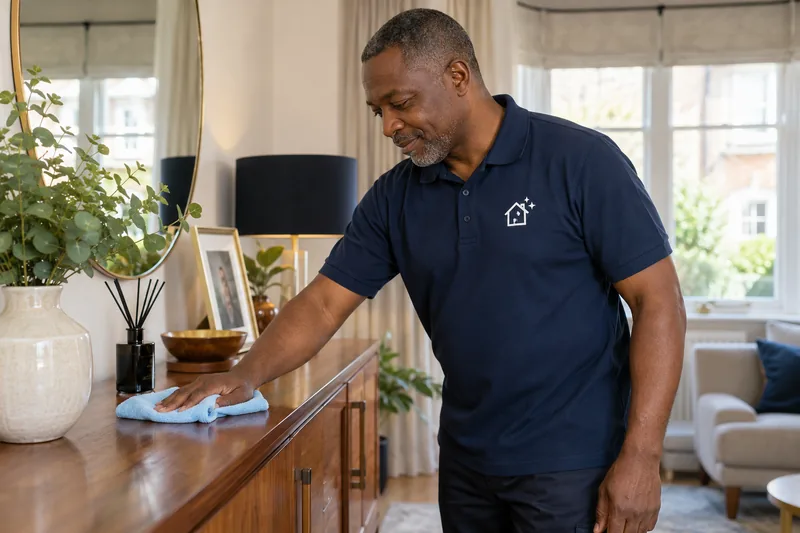
After the first visit, consider whether the order and duration matched your household. Perhaps one bathroom needs more attention while an infrequently used room can wait, or laundry is better arranged on a different day. Raise those changes before the next appointment. A repeat plan should reflect what the home actually needs, rather than preserving an estimate simply because it was used once. Keep the room list current when the household or the work changes.
To request a cleaner in Brixton Hill, begin with the postcode and property type, then add a service date, start time and the tasks you want considered. Give enough detail to explain the workload without sending private information that is not needed. The agency can then discuss a suitable scope and the next available step. Clear priorities, realistic time and one shared record make the arrangement easier to understand, with support available when an instruction or appointment needs reviewing.
Choose the shape of a recurring clean from the way your home is used between appointments. A busy kitchen, an additional toilet and frequently used stairs may need more regular attention than a spare room. You can discuss a routine that reflects those differences. Occasional tasks can have their own agreed place instead of being added to every visit. The schedule still needs confirmation and should be reviewed when the workload or your household’s requirements change.
Keep one up-to-date set of instructions for the arrangement. If a room is added, access changes or the order of priorities needs adjusting, tell the agency before the next appointment. Do not assume the cleaner will know about a household decision made elsewhere. A familiar routine is easier to maintain when the record remains accurate. It also gives you a clear reference when asking why a visit took a particular approach or what should be considered differently next time.
When requesting support, focus on the appointment and the outcome you need. Identify whether the question concerns a task, the timing, access or a problem after the work. The agency can then review the relevant details without asking you to reconstruct the whole cleaning request. This makes a Brixton Hill arrangement easier to manage as needs change, while keeping the underlying decisions simple: the right rooms, an agreed priority order and a realistic amount of time for the work.
Need to compare the details? See more cleaning questions →
Include stairs, landings and hallways in the room list if you want them cleaned. They take working time and should be considered alongside the kitchen, bathrooms and other selected rooms.
Yes. Put those tasks first in the request and describe their condition. The proposed duration should reflect the work, with other jobs included only where they have been agreed.
Use your full postcode and complete address so the request refers to the correct home. Neighbourhood names and postcode districts help you browse; they do not replace an exact address or confirm a visit.
Discuss what can be completed within the existing hours or whether an approved extension is suitable and available. Agree extra work, time and cost before it begins.
Take a look around the area, then use your full postcode to plan a clean for your own home.
Area reference only. This map does not mark a company office or confirm service boundaries.
This embedded map is provided by Google, which receives connection information and may use cookies. Google privacy information.
Postcode districts help you browse. They overlap neighbourhood boundaries; your full address and available cleaner time still need checking.
Start with your postcode. We’ll plan the clean around your home.