Weekly cleaning
£24per cleaner-hour
3 hours minimum · £72 daytime basePlan weekly cleaning
When visitors leave, the useful cleaning request is often a mixture of ordinary rooms and a few extra tasks. Describe the home you want to use afterwards: a prepared bedroom, usable bathroom, cleared kitchen surfaces or selected floors. Local House Cleaners can assess that actual selection for a Shad Thames enquiry, with suitable labour and a complete proposal before acceptance. Explain dishes, linen and any changed room condition separately so they receive time deliberately. The visit should have a practical finish the household understands, rather than an unlimited instruction to put everything back after guests.

Moving area names stop while hovered or focused. Press Enter or Space, or tap the moving area, to keep them still after leaving. Activate again to allow movement. Browse the directory for the complete list.
A regular helping hand, a proper reset or a clean before your next move. Choose the work your home needs.
Keep the kitchen, bathrooms and everyday rooms feeling cared for.
Explore regular cleaning02 ↗More time for reachable detail and the build-up that needs extra attention.
Explore deep cleaning03 ↗An agreed empty-property checklist, ready for your next chapter.
Explore tenancy cleaningA clear plan for your Shad Thames home, from the jobs you need to an agreed visit.
Add your contact details and save your home address.
Pick your service, tasks and property details. Choose a date and start time, then check the full cost.
Top up from £35, with enough to cover the whole visit. The booking amount is reserved from your balance when you confirm.
Agree the plan and an available time. Your visit details stay in your account.
These are starting points. The final scope, timing and suitable cleaner availability need confirmation.
£24per cleaner-hour
3 hours minimum · £72 daytime basePlan weekly cleaning£26per cleaner-hour
3 hours minimum · £78 daytime basePlan fortnightly cleaning£28per cleaner-hour
3 hours minimum · £84 daytime basePlan one-off cleaning£35per cleaner-hour
4 hours minimum · £140 daytime basePlan deep cleaningEarly starts, late finishes and next-day requests can cost more. The full breakdown is shown before agreement. See timing prices and assessed extras →
Studio & 1 bed from £189 · 2 beds from £269 · 3+ beds & houses from £329
 Shad Thames · SE1
A clean is more useful when the cleaner knows exactly where to start. Pick your rooms, add your priorities and allow enough time for the work.
Ironing and laundry use the same booked time. A long checklist may need more than the minimum visit.
Build my cleaning planHouse, flat or studio—start with what matters most to you.
Start with the rooms the household wants ready first. A bedroom may need an agreed bed change, while another room only needs suitable surface cleaning and its floor. The bathroom used by visitors can be selected beside the usual kitchen work. This is a conditional example of a household request, not an assumption about how homes in Shad Thames are occupied. The agency needs your own room list and actual condition.
Southwark Council's Shad Thames conservation management material names Butler's Wharf, Tooley Street, Gainsford Street and Queen Elizabeth Street. A council report identifies Tower Bridge Piazza, Shad Thames, London SE1. These are locality references, not descriptions of your home or a promise of local attendance. Give the complete address and postcode with the building, flat and entrance details needed for the proposed visit. Nearby landmarks cannot identify the private working address.
Make the departure time and cleaning readiness clear. If a room is still occupied during part of the proposed visit, say when it becomes available and whether other accepted work can begin. A plan that requires every room from the first minute differs from one with a prepared starting area. Suitable coverage and enough labour still need to fit the window. A visitor leaving late should not silently move the accepted finish time.
Separate ordinary cleaning from putting possessions away. Returning items to a few agreed locations can be described, but sorting luggage, deciding ownership and reorganising storage are household choices. Explain anything still covering selected furniture or floors. The cleaner needs to know what will be ready and which limited handling tasks are actually requested, so the room cleaning does not depend on an undisclosed clearance stage.
Write the order of importance in terms of outcomes. A useful list might put the bathroom and bedroom first, then kitchen surfaces, with a prepared shelf as optional detail if the accepted labour permits. Avoid making every task equally urgent when the household has a clear main need. The agency can assess a realistic combination before acceptance, and the handover can explain what the visit was intended to address.
Give condition as well as quantity. Spills, food residue or an unusual mark may alter the appropriate care even when the room count is small. State the surface involved and any attempted treatment. Cleaning does not promise to reverse every stain or repair damage. An uncertain item can receive assessment while ordinary suitable work elsewhere remains in the request, protecting useful progress without an unsupported restoration claim.
Include a sensible end arrangement. Say whether the room should remain unused while a surface dries, where used linen belongs and where the household wants clean dishes placed. The finish should suit the people returning to everyday use. Small decisions made beforehand can prevent a cleaned space from being covered again immediately by items whose destinations nobody agreed.

For a requested bed change, identify the bed size and provide a complete clean set that fits. Say whether protectors or other particular pieces are included. Ready linen should be in an agreed accessible place, with the used set's destination specified. The cleaner should not open private drawers to assemble missing pieces or decide which fabrics the household wants washed. A prepared complete set makes the intended bedroom finish concrete.
Explain access around the bed and any items the household will move beforehand. Pulling a few accessible pieces of bedding differs from shifting a heavy frame or clearing stored possessions. If only one side can be reached safely, disclose it. The agency can assess a suitable task from the real setup. An attractive finished-bed photograph is not a substitute for a workable route and suitable ready materials.
Laundry should be described as stages. Loading a suitable machine, transferring a ready load, hanging appropriate items and folding dry pieces are different hands-on jobs. State the finite quantity, fabric instructions and available equipment. Machine running time may continue after attendance ends, so identify who takes over. A request to start a wash does not automatically include staying until everything can be dried, folded and put away.
Choose the priority if the desired room work and laundry cannot fit the same proposal. The household may prefer a ready bed and cleaned bathroom while handling the wash itself, or ask for a finite drying-stage task alongside a smaller room selection. That choice is useful before acceptance. It avoids a cleaner waiting for a cycle while another important accepted room has not received the labour the household expected.
Keep wet and dry items clearly separated. Provide an appropriate place for used bedding and explain anything needing special care or exclusion. Do not leave the cleaner to identify unknown personal fabrics by appearance. If a garment or furnishing requires assessment beyond ordinary handling, keep it out of an assumed laundry bundle. A finite agreed sequence is easier to price and complete than an instruction to deal with all textiles found in a room.
Ironing can be requested with suitable ready garments and care labels, using appropriate equipment in a safe stable position. Explain hanging or folding preferences and the cooling arrangement. There is no guaranteed garment quantity per hour. The work consumes hands-on labour that must be considered alongside cleaning. Describe the actual prepared group so the agency can assess it without implying that every basket will be finished during any minimum visit.

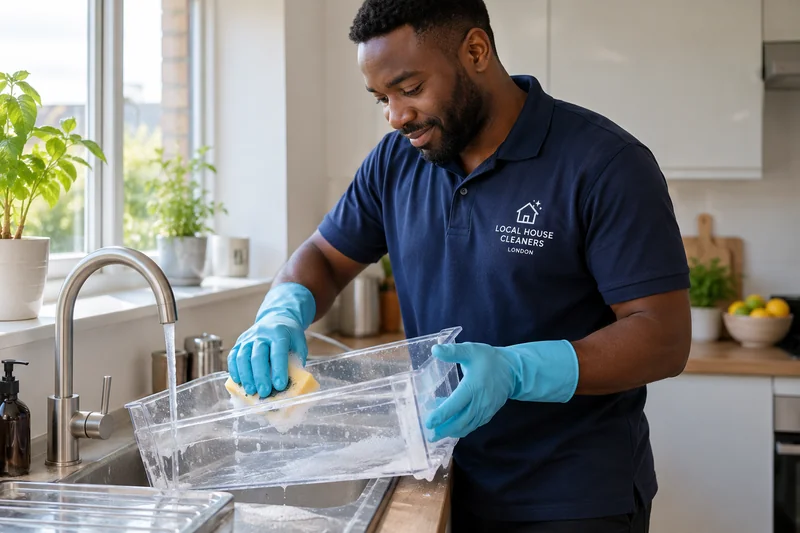
List the bathrooms or toilets selected after visitors leave. Explain whether each contains a bath, separate shower, basin or other fittings. A compact room with several fittings can involve more work than a larger simple room. The relevant information is the actual selection and condition, including soap residue or deposits. Do not assume that a room used for only a short stay necessarily needs little labour.
Give the main concern in each room. One shower enclosure may need concentrated suitable attention while another bathroom needs an ordinary clean. The agency can assess labour around that difference rather than apply an identical imagined task to both. If the household's priority is one usable bathroom before the rest of the home, say so when requesting the proposal and explain the latest useful completion window.
Prepare personal items away from selected surfaces where practical, while keeping medicines and private storage under household control. State whether a finite group needs simple handling and where it should go. Moving toiletries repeatedly can take time that should be visible within the task. Cleaning the reachable basin and shelf does not authorise disposal, opening sealed contents or reorganising belongings the household has not discussed.
Identify leaks, damaged seals, loose fittings or significant mould concerns separately. Appropriate cleaning does not replace repair or provide a universal health assurance. A persistent mark may need specialist advice rather than stronger ordinary treatment. Give the known cause and previous action if available. The household can then consider a bounded useful clean without expecting the cleaner to decide an undisclosed repair issue during the visit.
Towels, bathmats and bins need their own practical finish. Name the prepared replacement items and used-item destination if those tasks are requested. Explain where ordinary bagged cleaning waste belongs within the authorised household arrangement. Cleaning a bathroom should not silently include completing a textile cycle, finding replacement supplies or removing bulky unwanted possessions. The room can be useful again with a clear limited set of accepted tasks.
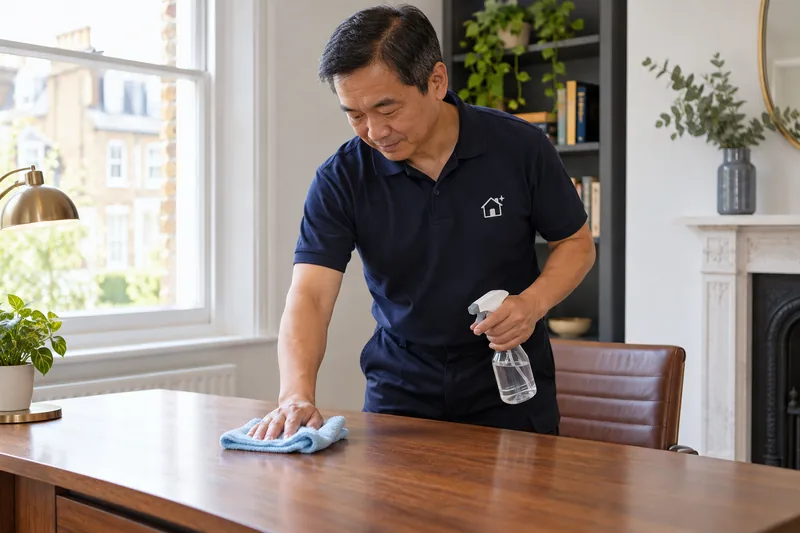
Choose the kitchen surfaces you want addressed after hosting. This might include suitable worktops, the sink, reachable hob exterior and selected fronts, with the material and condition stated. Explain food or other possessions that will be removed beforehand. A room label does not establish whether preparation has happened. The proposed labour should reflect the actual available surfaces and any limited handling the household wants considered.
If dishes are part of the request, describe the quantity and suitable washing facilities. Make sharp objects safely identifiable and point out special-care pieces. Decide whether clean items should remain on a rack or go to an agreed accessible cupboard. Returning a finite group differs from searching storage for the right destination. Dish work needs labour within the proposal, so place it deliberately beside the kitchen cleaning priorities.
Food choices stay with the household. Explain what will be removed from a requested fridge interior and where any retained items will go during suitable cleaning. The cleaner should not judge whether unidentified food can be discarded. If the fridge is unavailable, an agreed exterior or another ready task may still be useful. Assessment should follow the appliance's actual readiness rather than treat every interior as included in ordinary surface work.
Cupboard interiors can be selected as a prepared finite group, with shelf material and residue described. Empty interiors differ from unloading mixed contents and arranging them again. If the household is still deciding what to keep, leave that decision outside the cleaning scope. A few ready shelves can give a clear result while private or unprepared units remain closed. Identify exclusions so the cleaner does not have to infer them.
Report appliance faults or unfamiliar parts that affect the proposed work. Safe isolation, ordinary cleaning and technical repair have different purposes. Do not expect an unassessed cleaning visit to recommission equipment or dismantle a fitting. The agency can assess suitable appliance work separately and explain its price, while the rest of the kitchen request remains tied to sound reachable surfaces and a realistic finish.

Select living-room furniture and reachable surfaces by the actual result wanted. The household may only need an agreed table, available shelf and floor area after the main bedroom and bathroom work. Describe ornaments or fragile items that should stay untouched. A visit following guests need not become a full reorganisation of every room. Clear choices keep the cleaner's attention on useful accepted work rather than an uncertain search through belongings.
Explain floor materials and any relevant care instructions. Rugs, loose edges and vulnerable finishes should be identified. State what furniture can stay in place and which household preparation will expose the areas wanted. Ordinary cleaning of accessible floor differs from moving heavy furniture or treating an unknown stain. The agency needs the usable area and condition to assess labour rather than assume empty rooms after a departure.
Include corridors and stairs expressly if their cleaning matters. They also need an available access route even when they are outside the selected cleaning work. A clear path should remain usable while agreed surfaces dry. State any household timing conflict that affects passage. The cleaner can then plan suitable work without treating shared movement through the home as something that will arrange itself at the end.
Reachable internal glass can be considered with the actual panes, frames, condition and access described. Quotations start from £45 for assessed internal-window work, without a universal £85 minimum for that category. Exterior surfaces, unsafe reach or obstructed fittings need separate consideration. A limited useful selection can sit alongside room cleaning if accepted, rather than all glass becoming an undefined extra after the main tasks begin.
Standalone ovens start at £65 single, £90 double and £130 range after assessment. A standalone appliance or fabric service has an £85 minimum for that service, not an £85 fee added to its item price. Describe the actual oven and residue if it is wanted after kitchen use. Distinguish ordinary room cleaning, a separately assessed item and anything already included within a defined empty-property service.
Weekly domestic cleaning is £24 per cleaner-hour, fortnightly £26 and one-off £28, each with three hours minimum per cleaner. A standard daytime one-off visit of three hours by one cleaner has an £84 base. This illustrates labour and does not promise that any quantity of dishes, laundry and room cleaning will fit. The agency assesses the actual work and appropriate allowance from the household's description.
Two cleaners working three hours each provide six cleaner-hours, with a £168 one-off daytime base. Each person's three-hour minimum still applies. Two people working two hours each is not a substitute for that minimum. A team can only help where suitable cover and practical task division are available. Compare the accepted result and total labour rather than assume a larger team removes stages such as waiting for a laundry cycle.
Deep cleaning is £35 per cleaner-hour with four hours minimum per cleaner. Completed-works after-builders cleaning is £38 per cleaner-hour with five hours minimum per cleaner and requires a finished safe property. Describe concentrated residue or recent completed work so the agency can assess the relevant service. A domestic clean after visitors and an after-builders request should not be treated as interchangeable just because both are intended to prepare rooms for use.
Defined assessed empty-property tenancy or move-in cleaning starts at £189 for a studio or one-bedroom property, £269 for two bedrooms and £329 for three or more bedrooms or a house. That scope includes one oven, empty cupboard interiors and accessible internal windows, avoiding duplicate extras for those included tasks. An additional bathroom starts from £40 after assessment. A home with household possessions following guests is not automatically an empty-property request.
The earliest start is 6am and latest finish 10pm. Work during 6am–8am or 8pm–10pm adds £5 per affected cleaner-hour. Suitable accepted next-day priority adds 75%, subject to cover, with no instant same-day service. Actual 25 December uses twice the base rate; other applicable official UK bank holidays use 1.5 times. Apply the highest holiday multiplier once, with timing additions separate. Request the complete applicable total for the actual visit.
The minimum top-up is £35, and available funds must cover the full accepted reservation. Adding funds does not itself confirm attendance. Agree any additional task, labour and charge before the added work begins, subject to availability. If guests leave later, the room condition changes or the household wants another stage, contact the agency for reassessment. A funded arrangement does not create unlimited scope or a flexible automatic extension.
The agency verifies and approves the cleaner before accepting work, considering suitable skills, coverage and availability. Give a private authorised entry arrangement and a contact who can resolve a practical query. Do not assume a visitor can consent to work throughout the household's private rooms. State the permitted selection and any areas that remain closed so suitable cover can be considered against the actual request.
For recurring cleaning, provide a safe usable vacuum, mop and bucket. The company supplies approved cleaning products, cloths and protective equipment. Discuss the provisions required for the actual selected service rather than assume an appliance or unfamiliar material can be handled with whatever happens to be in the home. Useful care instructions should accompany the item description before the proposal is accepted.
Agree the handover around your original finish: which used rooms were addressed, the agreed linen stage and any unavailable item. The cleaner should be able to explain an access or condition limit without disguising it as completed work. If laundry is still running, the household needs the agreed takeover arrangement. A clean room and an unfinished machine cycle can coexist when both were understood from the beginning.
Raise a concern promptly, within 48 hours where possible; statutory rights remain unaffected. Describe the particular accepted item and issue. If useful photographs are provided, keep people, documents, screens, keys and security information out of view. A focused image of the surface can support an explanation without recording the wider household. The purpose is to resolve the cleaning concern with useful facts, not expose private belongings.
For Shad Thames, send the exact address and the post-visit finish you want, with dishes, linen and room readiness explained. Local references help identify the enquiry but do not determine the work. The strongest proposal has enough appropriate labour for a finite useful result and a complete accepted price. After that visit, an ongoing request can be assessed from ordinary household use rather than carry every temporary hosting task into the routine.
Need to compare the details? See more cleaning questions →
Yes. Explain the selected rooms, condition, departure and readiness times, and any requested dishes or linen work. The agency assesses suitable service, labour, cover and a complete price before accepting a visit. No particular departure time guarantees availability.
Those are separate stages to describe and agree. Provide a complete ready clean set for the selected bed and identify the used-linen destination. Machine cycles may outlast attendance, so a laundry request needs a clear household takeover plan.
Describe a finite quantity and your preferred priority before acceptance. The agency can assess a suitable combination. Any later change to tasks, time or charge needs agreement before added work begins and remains subject to availability.
Give the full private address, postcode, relevant building detail and authorised entrance arrangement. Council references to Shad Thames and SE1 provide locality context; they do not identify the particular home or establish permission to enter.
Take a look around the area, then use your full postcode to plan a clean for your own home.
Area reference only. This map does not mark a company office or confirm service boundaries.
This embedded map is provided by Google, which receives connection information and may use cookies. Google privacy information.
Postcode districts help you browse. They overlap neighbourhood boundaries; your full address and available cleaner time still need checking.
Start with your postcode. We’ll plan the clean around your home.