Weekly cleaning
£24per cleaner-hour
3 hours minimum · £72 daytime basePlan weekly cleaning
Choose the cleaning help that will make your own home easier to manage. A Cheam request can focus on the main rooms, combine cleaning with ironing or address a more demanding one-off task. Local House Cleaners London considers the selected work, realistic cleaner-hours and suitable cover. You can review the complete service and price before confirming a particular appointment. Start with a useful result and the condition present, then choose enough labour for that selection rather than expecting every domestic task to fit into the shortest available allowance.

Moving area names stop while hovered or focused. Press Enter or Space, or tap the moving area, to keep them still after leaving. Activate again to allow movement. Browse the directory for the complete list.
A regular helping hand, a proper reset or a clean before your next move. Choose the work your home needs.
Keep the kitchen, bathrooms and everyday rooms feeling cared for.
Explore regular cleaning02 ↗More time for reachable detail and the build-up that needs extra attention.
Explore deep cleaning03 ↗An agreed empty-property checklist, ready for your next chapter.
Explore tenancy cleaningA clear plan for your Cheam home, from the jobs you need to an agreed visit.
Add your contact details and save your home address.
Pick your service, tasks and property details. Choose a date and start time, then check the full cost.
Top up from £35, with enough to cover the whole visit. The booking amount is reserved from your balance when you confirm.
Agree the plan and an available time. Your visit details stay in your account.
These are starting points. The final scope, timing and suitable cleaner availability need confirmation.
£24per cleaner-hour
3 hours minimum · £72 daytime basePlan weekly cleaning£26per cleaner-hour
3 hours minimum · £78 daytime basePlan fortnightly cleaning£28per cleaner-hour
3 hours minimum · £84 daytime basePlan one-off cleaning£35per cleaner-hour
4 hours minimum · £140 daytime basePlan deep cleaningEarly starts, late finishes and next-day requests can cost more. The full breakdown is shown before agreement. See timing prices and assessed extras →
Studio & 1 bed from £189 · 2 beds from £269 · 3+ beds & houses from £329
 Cheam · SM3
A clean is more useful when the cleaner knows exactly where to start. Pick your rooms, add your priorities and allow enough time for the work.
Ironing and laundry use the same booked time. A long checklist may need more than the minimum visit.
Build my cleaning planHouse, flat or studio—start with what matters most to you.

You might want a bathroom kept under control, an accessible kitchen ready for ordinary use or a prepared clothing load finished alongside a smaller room list. Name the result that would help most and put the essentials first. A cleaner can follow a focused domestic selection without every room being included. Where the combined work is larger, choose more suitable labour or a narrower list before confirmation. The useful outcome is a practical amount taken off your hands, with enough time for the work accepted rather than the cleaner having to resolve competing expectations during the appointment.
Cheam’s village setting includes Malden Road and Park Lane, with Whitehall on Malden Road forming a recognisable local reference. For your own enquiry, supply the complete residential postcode and exact address. SM3 is the outward district shown here; the specific property and work still need consideration. Choose House, Flat or Studio and describe internal levels, selected rooms and bathroom fittings. The actual layout and condition guide the allowance. A local landmark or general property label cannot establish whether the request includes stairs, several bathrooms or domestic extras needing additional labour.
Explain the balance you want between cleaning help and work that stays with the household. You may handle dishes and day-to-day tidying yourself, leaving the appointment to concentrate on fittings, reachable surfaces and suitable floor care. Another arrangement may give ironing equal importance with the rooms. Name private storage and excluded areas, keeping personal decisions with you. The cleaner needs a clear accepted purpose rather than permission to reorganise every possession. A defined selection lets you choose the part of domestic work you want help with while keeping the rest of the home’s routine under your control.
A first visit can address a different condition from later maintenance. Describe significant kitchen deposits, an unused room or other built-up work, so an appropriate service and allowance can be assessed. You can choose a focused reset first and a repeatable core afterwards if useful. Occasional detail can have its own place when needed, instead of every previous task becoming a permanent expectation at unchanged hours. This gives each appointment a realistic purpose. The cleaner can be prepared for what is waiting and you can review a recognisable result against the work actually selected.
Standard daytime weekly cleaning is £24 per cleaner-hour, while fortnightly cleaning is £26 per cleaner-hour. Each has a three-hour minimum, producing starting labour totals of £72 and £78 before applicable adjustments. Choose the interval around the work that accumulates and what you continue handling between visits. Additional fittings, floor areas and garment help may need longer than the minimum. A useful repeatable selection needs enough labour for its essentials, with occasional tasks chosen deliberately rather than an expanding list gradually reducing the attention available to the rooms that mattered first.
One-off cleaning is £28 per cleaner-hour with a three-hour minimum. Deep cleaning starts at £35 per cleaner-hour with a four-hour minimum. Their standard daytime starting labour examples are £84 and £140, before applicable adjustments. Describe the condition and intensive tasks when choosing the service. The full quote should show the accepted inclusions, preparation and additions. More ordinary cleaning hours do not by themselves establish every interior or specialist treatment as part of the work. Read the scope with the amount so the proposal describes an achievable result rather than leaving different assumptions about a service name.
Cleaner-hours measure each person’s working time. Two cleaners working three hours each provide six cleaner-hours, where that team arrangement is suitable and confirmed. Staffing can alter the elapsed working window while labour remains counted per person. The preferred date and start matter too. Requests from 6am, later work, next-day appointments and applicable holiday dates can affect the complete calculation. Give the actual time needed so suitable cover and the full quote can be considered. A selected start or approximate duration is one part of an enquiry, not confirmation that an appointment is available on those terms.
For confirmed work using account funding, sufficient available money is needed before the agreed booking amount is reserved. The minimum top-up is £35, which adds funds and is separate from the cleaning-service price. Where account access is provided, reservation and transaction information should distinguish available funds from money set aside or charged. Any extra work still needs its action, paid time and cost accepted before it proceeds, with funding conditions and cleaner availability considered. An unused balance does not authorise overtime. Keep the decision about additional labour separate so an extension follows an agreed choice about the actual task.
For the kitchen, identify accessible worktops, the sink and hob exterior, with a selected dining surface or suitable fronts where wanted. Explain what will be ready to reach. Food shopping, paperwork and small appliances can leave a very different accessible area from a clear counter. You can prepare the intended section yourself or request a defined amount of moving and replacing, with an understood destination for belongings. That directs the cleaner’s time to the surfaces you want ready instead of a personal sorting job that was never accounted for alongside the bathroom and other rooms.
If washing up is wanted, describe the approximate load and what should be finished first. A few cups and plates take different labour from trays and cookware after an occasion. State where the accepted items should dry or be placed. You may prefer to handle dishes in advance and let the appointment concentrate on the sink, preparation area and remaining work. Either arrangement can be useful when its time is recognised. Leaving the dish task open-ended can make a room allowance unrealistic, because a full load uses labour that was also meant to attend other essential surfaces and fittings.
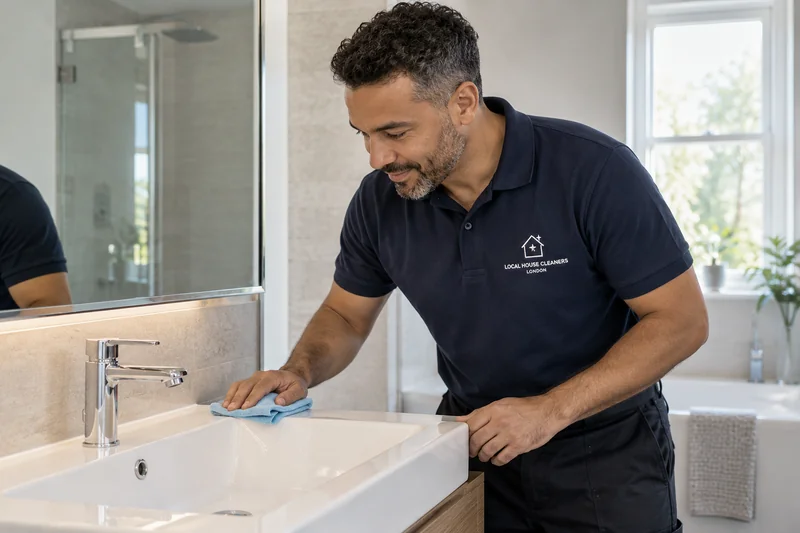
Describe the included bathrooms and separate toilets by their fittings and condition. A shower enclosure with broad glass panels can require more work than a lightly used cloakroom, regardless of bedroom count. Identify substantial soap or scale deposits and the priority room if the request is focused. Chosen surrounds need access too. Clear personal items yourself or have suitable handling considered where toiletries remain in place. The cleaner can then have enough time for the actual fixture work, rather than a general bathroom label concealing several additional fitting tasks and an unexpected amount of preparation.
Choose the useful bathroom finish deliberately. A reachable mirror, selected exterior cabinet face or prepared towel replacement can be named alongside the main fittings. Keep clean items ready and explain where used linen belongs, with cabinet contents private where preferred. Raise relevant care information and damage before cleaning methods are chosen. Worn grout, loose seals and permanent marks may need maintenance rather than ordinary residue removal. The accepted result should reflect the surfaces present, with suitable methods and realistic limits, while giving the room the practical attention you wanted from the visit.
Reachable dusting can focus on an accessible furniture top, cleared table or selected shelf. Identify delicate displays and sensitive equipment that should stay untouched. Individual handling of a collection takes different labour from an open surface, so explain any particular request for assessment. Personal papers and storage can remain private. A living room does not have to be completely reorganised before useful cleaning is possible; you can prepare one area and exclude another. The cleaner should follow the accepted surface work while decisions about belongings, documents and how the room is arranged remain with the household.
List the floors wanted and describe their finishes, including a hallway, internal stairs or a landing if selected. Suitable vacuuming and mopping should follow the material, care information and accessible space. Explain loose items and choose what you will clear or request as defined handling. Heavy furniture movement and concealed areas are not assumed. A reachable floor selection can still remove a useful part of your household work. Specialist carpet extraction, upholstery treatment, external glass and difficult-height tasks have separate requirements and should be requested specifically rather than treated as automatic parts of ordinary room cleaning.
A multipurpose room can have a limited cleaning selection. You may keep a working desk private while requesting an accessible floor area and side table, or make a chosen surface available only at an agreed point. Explain the practical restriction when the appointment is considered so the sequence can fit your household. That can reduce interruptions without expecting the cleaner to guess which areas are free or to make decisions about confidential work. If a room will be unavailable throughout, identify that early so the labour can be planned for the rooms and tasks that are actually accessible.
Occasional reachable detail can be useful when you identify its purpose. A suitable internal door face, skirting section or accessible internal pane may deserve attention on a particular visit. Describe the material and condition and have the inclusion, access and labour considered. The historic buildings around Cheam village do not establish the finishes in every home or the methods any particular surface needs. Share your own care instructions and existing concerns. A defined addition lets the proposal account for that actual work while the main living areas retain the attention you intended them to receive.
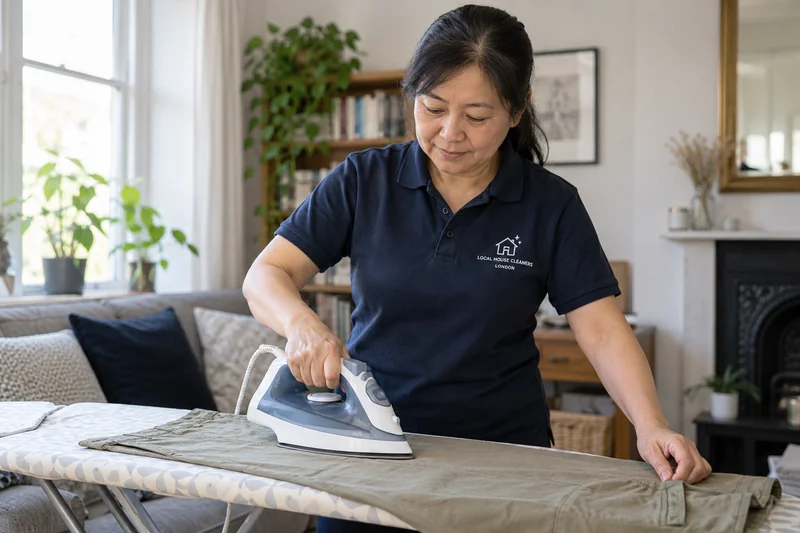
An ironing request needs an approximate quantity and the garments wanted first. Set aside the ready selection and keep care labels available, explaining the finish preferred. Everyday clothing, large linen pieces and delicate items can require different time and handling. Specialist fabrics should be raised before acceptance. Suitable equipment, a stable board and an appropriate workspace are needed, with hangers or a folding surface ready for the completed pieces. A known load gives the agency an actual task to assess alongside the rooms and gives the cleaner a defined endpoint rather than an unlimited mixed basket.
Choose how ironing shares the allowance with the cleaning. You might want a small group needed soon completed after the kitchen, or enough additional labour for the garment work to have equal priority with the bathroom. An agreed rotation may suit occasional tasks. The service minimum does not establish that all clothing waiting in the home can be finished too. If the ready quantity changes substantially, have the additional work considered before it proceeds. Extra paid time, cost and availability need agreement, rather than the cleaner being left to shorten another essential room or extend the appointment informally.
Laundry assistance can cover a single completed stage. Ready dry washing might need folding, or suitable washed items may need hanging with your instructions. Explain the amount, what will be ready and where the items belong afterwards. If starting a programme is requested, arrange who takes responsibility for a cycle finishing later. Washing and drying may run beyond the cleaner’s working window without making the visit itself longer. A selected hands-on contribution can still be valuable, leaving a clear result and a known remaining job instead of an expectation that every load will pass through all stages during the clean.
Bed help should distinguish straightening from removing and replacing the linen. Count the beds and set out the matching clean sets for a full change, with a place for the removed bedding. You can select one guest bed while keeping other bedroom tasks outside the work. Add floor care or dusting separately where wanted. Use Other to describe an unlisted domestic action, including its quantity, preparation and equipment for assessment. That provides a practical request to consider for suitability and labour. General help with everything cannot identify which extra tasks have been accepted or how much time they need.
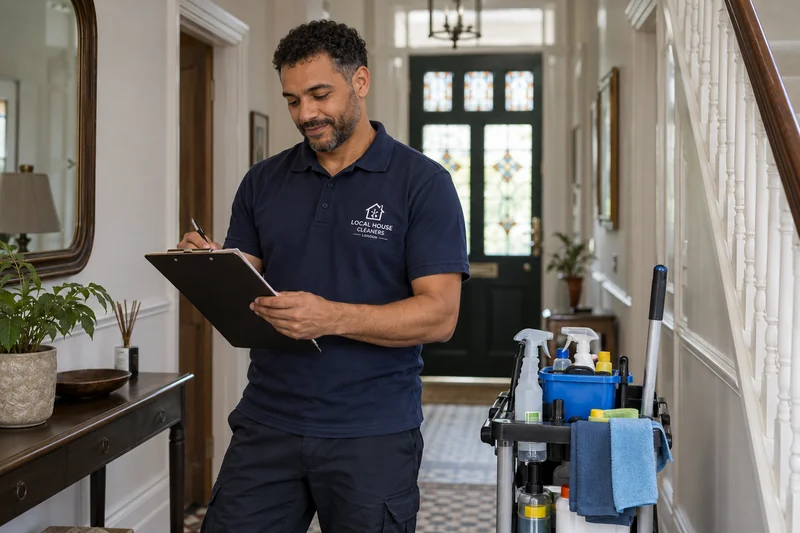
A fuller one-off can focus on built-up work, a room needing attention before visitors or preparation for a change in how the home is used. Describe the deposits, the accessible areas and what you want ready afterwards. Some requests suit ordinary occasional cleaning, while others need an appropriate intensive service. The labour should follow the condition and accepted task rather than a maintenance minimum chosen for different work. You can give one substantial priority an achievable allowance or discuss a broader selection, with the cleaner prepared for the job actually waiting at the home.
Request appliance and storage interiors specifically. A fridge needs an arrangement for its contents while the accepted compartments are attended; food retention and disposal choices belong to you. Prepare a selected cupboard as agreed if its interior is wanted. An oven needs its condition and inclusion checked with the service. One prepared intensive task can sit alongside ordinary surface cleaning without every closed space becoming part of the request. Read the combined work and any addition in the full quote so that labour is recognised, and the time intended for the other essential rooms remains realistic.
Empty-property tenancy and move-in work uses an assessed checklist. Starting packages are £189 for a studio or one bedroom, £269 for two bedrooms and £329 for three or more bedrooms or a house. Explain bathroom numbers, appliance requirements and the condition expected at handover. The accepted checklist includes the single oven, empty cupboard interiors and accessible internal windows. Specialist carpet extraction is extra, with the required addition checked in the complete proposal. The service concerns the agreed cleaning work; it cannot guarantee a deposit return or determine a landlord’s or another party’s inspection outcome.
Coordinate authorised entry, usable power and water, and the property’s readiness with the person responsible. Removals, deliveries, packing and continued occupation can affect access even where the bedroom count remains the same. An empty-property assessment and a home still in daily use offer different working conditions. Tell the agency about a material change before relying on the appointment so the effect on scope, labour and amount can be understood. A realistic handover lets the cleaner concentrate on the accepted tasks instead of discovering on arrival which of the expected rooms and interiors can actually be reached.
Agree the authorised residential entrance and exact house, building or flat identifiers. State any separate door or internal route needed, settle the key or representative handover and explain how the property should be secured afterwards. Confidential codes and key information belong within the private booking process. A suitable contact can resolve an unexpected entry issue. If you will be at home, explain an occupied-room or pet arrangement affecting the accepted sequence. One practical plan helps the cleaner follow the selection without several people giving conflicting instructions or treating arrival as a chance to negotiate a different task list.
For recurring household cleaning, provide a functioning vacuum, mop and bucket; the company arranges approved products, cloths and protective equipment. Raise missing equipment, relevant hazards and material-care instructions before the work is planned around them. Cleaner identity and suitability approval are needed before allocation, with appropriate skills, coverage and availability considered for the actual request. Those conditions sit with the accepted service and complete price. An enquiry, date choice or account funding alone does not confirm a visit, so rely on the full agreed arrangement for the particular work rather than a single part of the request.
If an accepted task concerns you afterwards, tell the agency the particular room or fitting, what was selected and what you found. Report promptly and include a relevant private photograph where helpful, keeping people, documents and security details outside the image. You can raise a specific issue without exposing unrelated rooms or deciding the remedy before the facts are understood. The circumstances and applicable terms determine the response. Precise information keeps the discussion focused on the result wanted from the service and gives the agency a practical basis for considering what needs attention.
Keep a useful selection and change another part deliberately when the household needs something different. A later request may retain the main bathroom and floors but add a prepared linen task, with its effect on labour and cost considered before confirmation. Another room may need a different allowance once its use changes. The aim is practical help for your current home. Local House Cleaners London can consider suitable cleaner cover for a Cheam request with recognisable priorities, enough paid labour and appropriate preparation, so you understand the domestic work accepted for that particular appointment.
Need to compare the details? See more cleaning questions →
Yes. Provide the full residential postcode and address, choose House, Flat or Studio and explain the rooms and domestic tasks wanted. The agency considers the suitable service, cleaner-hours and cover. A general locality or outward postcode does not confirm an appointment by itself.
Standard daytime weekly cleaning is £24 per cleaner-hour and fortnightly cleaning £26 per cleaner-hour. Both have three-hour minimums, giving starting labour totals of £72 and £78 before applicable adjustments. The complete quote follows the accepted work, labour, date, time and additions.
Describe the actual materials, care instructions and existing damage before the task is accepted. A suitable method must follow the surface present, regardless of the home’s age or the area’s historic setting. Ordinary cleaning does not promise repair or restoration of worn materials.
You can request both, with an approximate garment quantity and a count of beds, explaining straightening or a full linen change. Suitable equipment and the correct clean sets should be ready as agreed. The combined task list needs enough accepted labour and may require more hours or fewer selected tasks.
Take a look around the area, then use your full postcode to plan a clean for your own home.
Area reference only. This map does not mark a company office or confirm service boundaries.
This embedded map is provided by Google, which receives connection information and may use cookies. Google privacy information.
Postcode districts help you browse. They overlap neighbourhood boundaries; your full address and available cleaner time still need checking.
Start with your postcode. We’ll plan the clean around your home.