Weekly cleaning
£24per cleaner-hour
3 hours minimum · £72 daytime basePlan weekly cleaning
A room used for work can still contain useful domestic cleaning tasks, provided the household explains what will be reachable and what should remain untouched. Describe the selected surfaces and floor areas, personal contents and genuine room availability before choosing an appointment. Local House Cleaners London can assess suitable household help around Olympia with enough labour and a clear full price. The venue operator lists Olympia on Hammersmith Road, London W14 8UX. That public address supplies local orientation only; it does not identify a private home, working pattern or agency office. A practical enquiry keeps personal papers, devices and work decisions with the appropriate person while making the cleaning contribution understandable. You can then choose useful domestic care without asking the cleaner to reconstruct a private workspace or manage the household's timetable.

Moving area names stop while hovered or focused. Press Enter or Space, or tap the moving area, to keep them still after leaving. Activate again to allow movement. Browse the directory for the complete list.
A regular helping hand, a proper reset or a clean before your next move. Choose the work your home needs.
Keep the kitchen, bathrooms and everyday rooms feeling cared for.
Explore regular cleaning02 ↗More time for reachable detail and the build-up that needs extra attention.
Explore deep cleaning03 ↗An agreed empty-property checklist, ready for your next chapter.
Explore tenancy cleaningA clear plan for your Olympia home, from the jobs you need to an agreed visit.
Add your contact details and save your home address.
Pick your service, tasks and property details. Choose a date and start time, then check the full cost.
Top up from £35, with enough to cover the whole visit. The booking amount is reserved from your balance when you confirm.
Agree the plan and an available time. Your visit details stay in your account.
These are starting points. The final scope, timing and suitable cleaner availability need confirmation.
£24per cleaner-hour
3 hours minimum · £72 daytime basePlan weekly cleaning£26per cleaner-hour
3 hours minimum · £78 daytime basePlan fortnightly cleaning£28per cleaner-hour
3 hours minimum · £84 daytime basePlan one-off cleaning£35per cleaner-hour
4 hours minimum · £140 daytime basePlan deep cleaningEarly starts, late finishes and next-day requests can cost more. The full breakdown is shown before agreement. See timing prices and assessed extras →
Studio & 1 bed from £189 · 2 beds from £269 · 3+ beds & houses from £329
 Olympia · W14
A clean is more useful when the cleaner knows exactly where to start. Pick your rooms, add your priorities and allow enough time for the work.
Ironing and laundry use the same booked time. A long checklist may need more than the minimum visit.
Build my cleaning planHouse, flat or studio—start with what matters most to you.
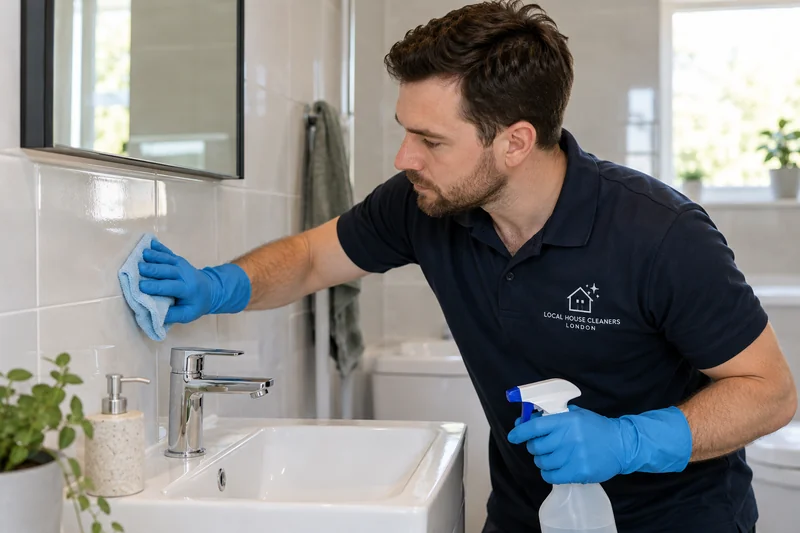
Name the domestic actions wanted in the room. Reachable dusting on a selected clear surface and suitable care of an accessible floor area are more recognisable than an instruction to clean the office. Explain the actual quantity, condition and priority. This is a household request whose work needs assessment on its own facts. The agency can consider a useful contribution without treating a room label as every possible action associated with working there. The cleaner should receive understood domestic tasks, while the customer can compare the labour and full amount with the particular chores it wants handed over.
Decide which personal papers, devices and possessions will remain excluded, and what the household will prepare before the visit. Choose destinations for items you remove. If a limited handling action is wanted, describe the particular items, amount, permission, reliable guidance and destination for assessment. The cleaner should not need to read private contents, decide their importance or reorganise them to discover the intended cleaning surface. A room can offer useful reachable work around clear personal boundaries, with the customer retaining decisions that belong to its work and belongings rather than leaving them to be inferred during attendance.
Explain the practical floor area available around furniture and equipment. State restrictions instead of assuming the cleaner will move heavy objects, alter a device setup or create reach beyond the agreed preparation. Suitable domestic work may be worthwhile in selected sections while other areas remain private. Give the ready condition you can actually provide, not an ideal empty-room description. The agency can assess a contribution that connects labour with real access, helping the customer choose useful help without an unspoken expectation that every part behind, beneath or around a workspace becomes included automatically.
Put the room request beside the rest of the home. Selected bathroom fixtures, kitchen surfaces, a defined washing-up quantity and suitable floors elsewhere add labour. Give actual quantities and main priorities so the whole combination can be considered. A minimum booking does not establish a universal room duration or an all-home completion result. You can choose a focused contribution or ask about a fuller allowance when appropriate work is ready. The cleaner should know what the accepted job contains before an informal home-workspace label becomes a wider request for every household process visible nearby.
Weekly domestic cleaning begins at £24 per cleaner-hour and fortnightly at £26, each with a three-hour minimum per cleaner. The minimum ordinary base for one cleaner is £72 weekly or £78 fortnightly. A room used for work does not have a fixed allowance of its own within those figures. Describe the selected domestic actions, preparation and companion tasks so sufficient suitable time can be assessed. Compare what each offer is intended to address, with the useful contribution visible alongside the labour and full charge rather than an hourly number being expected to describe the whole room.
Ordinary one-off work starts at £28 per cleaner-hour with at least three hours per cleaner, producing one cleaner's minimum ordinary base of £84. Assessed deep cleaning starts at £35 per cleaner-hour and requires at least four hours per cleaner, a £140 minimum ordinary base for one cleaner. The actual condition and requested actions determine an appropriate proposal. A room's use for work does not make every task intensive or establish a specialist treatment category. Explain a particular concern separately and read the contribution offered, rather than expect one service label to answer every care and workload question.
The offered date and start matter to the complete amount. On the actual date 25 December, the base is multiplied by two. Other applicable official UK bank holidays, including substitute holidays, use one-and-a-half times the base. Only the highest holiday rate applies once to the base; other applicable timing additions remain separate. Check accepted extras in the proposal too. A desired break between calls or another household activity is useful access information, but it does not establish that any chosen task quantity fits or that a base figure confirms staffing for that particular window.
Account top-ups have a £35 minimum, and the available balance must cover the full accepted reservation. Funding does not itself confirm attendance or approve more work. If you want another action or a longer contribution, ask through the agency what the revision changes in labour, priorities and the complete amount. Extra tasks, charges and overtime need agreement before the added work starts. A ready room, another resident's suggestion and money available in the account do not create that approval. The customer can retain a focused job or choose a suitable revision with its spending understood.
The agency must verify and approve the cleaner's identity and suitability before the cleaner accepts work. Relevant skills, coverage and enough time must also fit the actual domestic contribution. Explain any unusual handling request during assessment rather than infer it from general approval for household work. The customer provides accurate information and authorised permissions, while the agency handles cleaner approval and matching. A materially different action needs consideration before it is relied on. The room's purpose does not establish that every person available for domestic cleaning is suited to every process involving its contents or equipment.
Give reliable guidance for the selected finishes and furnishings, with relevant manufacturer information where available. Link each instruction to the actual area or item. A desk surface, chair covering and floor can have different care requirements, even when they appear within one small room. Keep unknown materials explicit and describe observations without inventing a technical diagnosis. The agency can assess appropriate work in understood areas while another question is clarified. A useful contribution follows the household's real information, rather than a method guessed from appearance or copied automatically from another surface previously cleaned elsewhere in the home.
Retain personal device and work decisions with the appropriate household person. A selected clear-surface task does not by itself define handling equipment, reconnecting a setup or providing a technical service. If any particular handling action is wanted, describe it for assessment with reliable guidance and permission before relying on it. Cleaning also remains distinct from repair or restoration, with no promise to remove every mark or correct an existing defect. Heavy movement, unsafe reach and specialist treatment need separate consideration. The cleaner should have suitable domestic work to follow instead of reconstructing private arrangements to make the room appear complete.
For recurring household cleaning, the customer provides a safe working vacuum cleaner, mop and bucket with essential parts and usable charge or power as relevant. The company arranges approved products, cloths and PPE. Make the agreed household equipment accessible and give relevant operating information. If an essential is stored in the room, explain how it will actually be available without opening excluded storage or disturbing a private setup. Appropriate tools and material guidance need to support the accepted contribution together, with missing parts or faults raised during assessment rather than left as a problem for the cleaner to improvise around on arrival.

Give complete residence details, the correct private entrance and bell or home identifier, with an authorised admission arrangement for the offered appointment. Describe any relevant building procedure actually agreed with the responsible person. Olympia's public Hammersmith Road address identifies the locality only; it is not an agency reception, key point or private-home entry instruction. The cleaner needs a real way into the selected residence and work. If another person provides admission, settle that role and identify a contact for practical questions, rather than expect a public venue reference or familiar neighbourhood to establish the household's access permissions.
Prepare the selected surfaces and floor areas according to the accepted brief. Put private contents in household-chosen places and make excluded objects or sections recognisable. If the expected preparation cannot happen, describe the actual ready state to the agency. A smaller accessible contribution can remain useful while another area stays private. The cleaner should not need to choose a filing system, storage destination or equipment arrangement before reaching the work. A practical proposal should address the home as it can be prepared, instead of an ideal clear workspace that depends on decisions nobody has made before attendance.
Provide one current handover covering selected actions, main priorities, care limits, exclusions and equipment locations. If another person is present, make clear which practical questions they can answer and who may authorise a change in work or charges. Entry permission does not automatically include spending authority. The cleaner should not receive an informal instruction to rearrange the whole workspace from someone who was only asked to open the door. A coherent brief connects the contribution the customer reviewed with the work actually available, while the agency can direct a question to the appropriate person.
Agree authorised closure and any equipment or access-item return, including a practical contact or recipient where relevant. Tell the agency when the entry or room preparation plan changes. An earlier successful appointment does not establish that a later arrangement will work automatically. Waiting for a room or another person does not itself extend labour or guarantee a later finish. The cleaner should not be expected to remain, choose another key recipient or invent a private handover while the household resolves its plans. A clear end of attendance helps the selected domestic contribution stay finite and usable.

Give genuine room-use windows rather than a hoped-for gap. If the room must remain in use initially, explain another selected ready starting area and realistic later availability where appropriate. The agency can consider a practical sequence with sufficient labour. A short interval does not establish a fixed amount of cleaning that can fit, and the cleaner should not need to coordinate household calls or work decisions repeatedly while preserving an unassessed completion expectation. The customer can choose a focused ready contribution or another suitable offer, keeping domestic scheduling decisions with the people actually able to make them.
Keep companion kitchen tasks specific. Reachable surface care, a hob exterior, sink cleaning and an agreed washing-up quantity each use labour. Give the current condition and preparation, with personal food and storage decisions retained by the household unless a suitable defined action is assessed and agreed. An appliance interior needs its own request. The kitchen contribution should be clear enough for the cleaner to follow while another room is in use, rather than an undefined instruction to handle everything nearby until the workspace becomes available and then complete its full unassessed list as well.
Count selected bathrooms and separate toilets, fixtures, suitable floor areas and reachable dusting elsewhere. Name private connecting areas whose care is wanted, with coverings and guidance clear. Passing through a common-building corridor or stairway for access does not include cleaning it; that needs separate scope and appropriate authority if requested. Actual quantities help the agency assess the whole combination beside the room used for work. The customer can compare a worthwhile share of chores with the complete proposal, rather than expect a bedroom count or another broad property label to explain every domestic stage inside the residence.
Update the brief if room use, materials, equipment or preparation changes. A new desk arrangement may alter what can be reached without changing the home's address. Explain the useful fact and what work is now wanted. A revised date, interval or labour allowance needs a current suitable offer with full pricing considered. Earlier attendance does not automatically reserve another appointment or guarantee the same cleaner. A routine can develop through current choices, with the customer retaining personal decisions and the cleaner following the accepted contribution instead of every old optional task becoming permanent scope.

Another surface or handling stage needs its own quantity, condition, care guidance and permission. A newly cleared area is useful information but not automatic acceptance of additional work. Ask how the proposed action affects the room priorities and labour. The agency can consider an appropriate revision from its actual requirements, while the customer decides whether the larger contribution is worthwhile. A cleaner should not have to infer approval from something becoming visible during attendance or choose how to reorganise private contents so more work can be attempted within the allowance originally intended for a smaller job.
If bed or clothing help is wanted elsewhere, define the useful stage and its preparation. A bed action needs its count, matching clean linen ready as agreed and a destination for removed items. Laundry or ironing needs a prepared quantity, reliable item guidance and safe suitable equipment or tools, with a usable workspace where relevant. Machine elapsed time does not promise that later stages become ready before attendance ends. A limited contribution can leave other processes with the household, provided the cleaner knows its endpoint instead of an extra category implying an unlimited clothing and storage service.
Use Other to explain a domestic action the main options do not describe accurately. Give the selected area or items, amount, condition, guidance, permission and desired finish, keeping personal ownership, disposal and organisation decisions with the responsible person. A miscellaneous entry is not automatic acceptance of every unlisted chore. If a defined tenancy clean is being assessed separately, one oven, empty cupboard interiors and accessible internal windows are inclusions and should not be duplicated as charged extras within that scope. Read the actual offered contribution so a genuine addition remains distinct from something already included in the category.
Extra tasks, charges and overtime require agreement before the added work begins. Bring the defined proposal through the agency and identify the authorised decision-maker if someone else is present. A cleaner's presence, an informal household suggestion or funds available in the account do not grant approval by themselves. You can retain the original boundary and prepare another request later. Clear choices let the domestic contribution stay flexible without the room's private contents, an approaching work deadline or the availability of another surface turning one finite visit into responsibility for every useful action someone notices.
After attendance, compare the selected domestic contribution with the preparation and room availability provided. An excluded desk section, an area unavailable during household use and an accepted accessible action appearing incomplete are different matters. Identify the location and observation, with relevant care or access details. The agency can consider the actual circumstances from the accepted brief. You do not need to invent a technical cause or treat a room used for work as though every paper, device and hidden surface had been included. A precise account helps the customer ask the right question about the contribution bought.
Where a photograph would help, focus on the relevant issue and exclude unrelated private papers, possessions and security information. Give the appointment, selected action and response needed. A new wish to add another area next time can receive separate assessment from a possible omission in the original job. The customer should not assume another paid visit is a prerequisite to raising a concern about accepted work. The agency can address the original observation on its facts while the household retains a deliberate decision about any further purchase, with its current preparation, scope and price understood.
Please report concerns within 48 hours where possible to support prompt review; this practical request does not reduce statutory rights. A care question, a change in room readiness and a new request need their appropriate consideration. The household can ask for support without a specialist diagnosis, while personal work decisions and an existing property defect remain distinct from domestic cleaning. Keep a later contribution attached to a clear current offer if wanted. This lets the agency address the relevant matter without an additional booking being expected to settle every concern or private responsibility associated with the room.
Begin an enquiry around Olympia with full residence details, property type, preferred date and start. Describe selected domestic actions, quantities, condition and reliable care guidance, then explain personal exclusions, realistic room availability, equipment and authorised entry. Local House Cleaners London can assess suitable help, enough labour and a complete offered arrangement. Review the contribution and full amount before accepting, then prepare the agreed areas. A room used for work can receive useful domestic care on a clear basis, with the household retaining personal decisions, the cleaner following an understood job and the agency connecting practical questions or changes to that same request.
Need to compare the details? See more cleaning questions →
Describe the selected domestic actions, actual quantity, care information and reachable areas for assessment. Make personal exclusions and genuine room availability clear. A room label does not define every device, contents-handling or technical process associated with it.
The responsible household person retains personal organisation and work decisions. Prepare selected areas as agreed. Any limited handling request needs its action, quantity, permission, guidance and destination assessed rather than inferred from a surface-cleaning selection.
Give the actual availability and another selected ready area where a practical sequence may be possible. Labour and access need consideration together. No universal quantity of work is promised within a short household gap.
Explain the action through the agency so suitability, care, labour, priorities and the complete amount can be considered. Extra work, charges and overtime must be agreed before the added work. A clear area, available funds or the cleaner's presence do not approve the change automatically.
Take a look around the area, then use your full postcode to plan a clean for your own home.
Area reference only. This map does not mark a company office or confirm service boundaries.
This embedded map is provided by Google, which receives connection information and may use cookies. Google privacy information.
Postcode districts help you browse. They overlap neighbourhood boundaries; your full address and available cleaner time still need checking.
Start with your postcode. We’ll plan the clean around your home.