Weekly cleaning
£24per cleaner-hour
3 hours minimum · £72 daytime basePlan weekly cleaning
Choose a clean that takes useful household work off your hands. Request Isleworth cleaning around your rooms, priorities and a preferred appointment, from recurring upkeep to an assessed one-off catch-up. Add garment or linen help where wanted, with enough cleaner-hours for the combined tasks. You review the proposed scope and complete price before confirming, so the cleaner receives a practical brief and the visit has a clear purpose in the home you want help keeping up with.

Moving area names stop while hovered or focused. Press Enter or Space, or tap the moving area, to keep them still after leaving. Activate again to allow movement. Browse the directory for the complete list.
A regular helping hand, a proper reset or a clean before your next move. Choose the work your home needs.
Keep the kitchen, bathrooms and everyday rooms feeling cared for.
Explore regular cleaning02 ↗More time for reachable detail and the build-up that needs extra attention.
Explore deep cleaning03 ↗An agreed empty-property checklist, ready for your next chapter.
Explore tenancy cleaningA clear plan for your Isleworth home, from the jobs you need to an agreed visit.
Add your contact details and save your home address.
Pick your service, tasks and property details. Choose a date and start time, then check the full cost.
Top up from £35, with enough to cover the whole visit. The booking amount is reserved from your balance when you confirm.
Agree the plan and an available time. Your visit details stay in your account.
These are starting points. The final scope, timing and suitable cleaner availability need confirmation.
£24per cleaner-hour
3 hours minimum · £72 daytime basePlan weekly cleaning£26per cleaner-hour
3 hours minimum · £78 daytime basePlan fortnightly cleaning£28per cleaner-hour
3 hours minimum · £84 daytime basePlan one-off cleaning£35per cleaner-hour
4 hours minimum · £140 daytime basePlan deep cleaningEarly starts, late finishes and next-day requests can cost more. The full breakdown is shown before agreement. See timing prices and assessed extras →
Studio & 1 bed from £189 · 2 beds from £269 · 3+ beds & houses from £329
 Isleworth · TW7
A clean is more useful when the cleaner knows exactly where to start. Pick your rooms, add your priorities and allow enough time for the work.
Ironing and laundry use the same booked time. A long checklist may need more than the minimum visit.
Build my cleaning planHouse, flat or studio—start with what matters most to you.
A cleaner's visit is most useful when it has a result you can recognise. The main bathroom caught up, kitchen surfaces ready for another meal or suitable floors through the rooms used daily can each remove a recurring job from your list. You may need a broader reset or selected bedroom work too. Put the outcomes in order before extending the choices. The agency can assess a suitable service and allowance, while the cleaner has practical priorities rather than a long selection with no indication of which tasks deserve time first.
Isleworth includes more than its riverside setting. Hounslow's appraisal describes Old Isleworth around Church Street, South Street, North Street and Mill Plat, with Park Road by the western side of Syon Park. Those bounded references help explain the area, but the appointment concerns your actual home. Give the complete TW7 postcode and exact address, including a building or flat identifier and correct entrance where relevant. Coverage and suitable availability are assessed for the property and service requested, rather than a landmark being treated as a full destination.
Choose House, Flat or Studio and identify the included rooms, bathrooms and internal levels. A separate toilet, ensuite or staircase can add work beyond the bedroom count. A studio still involves different kitchen, bathroom and living tasks even where sleeping and living space share a room. State the condition and quantities of additional domestic help so the cleaner-hours reflect the actual combination. The property label is a useful starting choice, while the room and task details explain the work the allowance is intended to achieve.
Keep the private-space boundaries clear. You can request shared rooms only, leave a study excluded or choose a limited bed task without broader bedroom cleaning. Where several adults share a home, agree one list and a contact for questions. These permissions give you control over the spaces and belongings involved and help the cleaner use the accepted hours. A practical appointment should not require choosing between competing instructions or assuming every personal item, document and storage space can be handled because a room was selected.
Use the normal room and task choices, adding a short note for significant build-up, a care restriction or a deadline. The enquiry can stay manageable without a lengthy account of ordinary household cleaning. The agency considers appropriate cleaner skills, coverage and availability and proposes an achievable scope and allowance. You review the complete amount before agreement. The important result should be visible in that proposal, giving you a clear choice about the help needed and giving the cleaner useful information before the appointment begins.
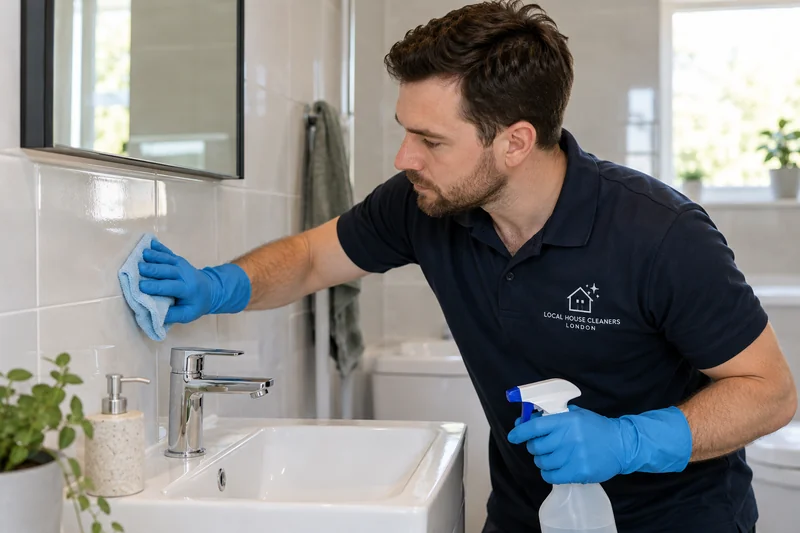
For the kitchen, identify accessible worktops, sink and hob exterior, with suitable floor cleaning and a requested dining surface where relevant. Explain what will be clear when the cleaner arrives and whether washing up is wanted. A full sink of dishes and pans uses time alongside surrounding surfaces, so its approximate quantity belongs in the assessment. If your main result is a cooking area ready for another meal, put that first. The proposed order can protect the preparation space before other accepted detail uses the same labour allowance.
Describe a first-clean catch-up or established kitchen build-up rather than expect a normal upkeep allowance to fit every condition. A focused list, more cleaner-hours or an appropriate intensive service can then be compared. The accepted scope should address the work likely to be encountered, with preparation understood. You can choose the version that provides the most useful help. It should not depend on the cleaner finding a substantially larger task after arrival and deciding which other previously accepted household priorities must lose time to accommodate it.
Request appliance and cupboard interiors by name where needed. An oven, fridge interior or quantity of emptied cupboards can require distinct preparation and methods. Check the actual inclusions of the selected service, with assessed package items and separate additions understood consistently. The complete proposal should make the detailed work and amount visible. You can decide its place in this visit or another suitable appointment, rather than assume every kitchen interior comes automatically with ordinary cleaning of accessible worktops and exterior surfaces.
For bathroom cleaning, count each room, shower room, ensuite and separate toilet included. State the fixtures and significant scale or deposits so their actual condition can be considered. The bedroom count does not establish the bathroom workload. You might put the main shower, basin and toilet ahead of less urgent detail or choose more time for a broader combination. An appropriate list and allowance should reflect those tasks, rather than assume the minimum appointment fits every property and every starting condition.
Share relevant care guidance and identify damaged seals, unstable fittings and surfaces to leave untouched. A suitable cleaning method should respect the material present, while a repair or restoration concern is considered separately. Explain an unusual mark or condition while the scope is assessed. The useful proposal describes appropriate care with realistic limits, without promising stronger products or more vigorous work will remove every mark regardless of the finish. Those details let the cleaner approach the accepted bathroom and kitchen tasks with clearer instructions.
Reachable dusting can cover agreed shelves, furniture tops and other accessible surfaces. Identify ornaments, documents and equipment you want left alone, and prepare private or valuable belongings yourself where practical. A cleared sideboard differs from organising a crowded collection of possessions. The cleaner can spend time on the accepted surface care rather than decide how personal storage should be arranged. This gives the room a defined cleaning task without treating a broad selection as authority to sort drawers or move every item inside it.
For floors, list the finishes and included rooms and specify internal stairs where requested. Suitable vacuuming and mopping should follow those actual surfaces and relevant care guidance. Mention rugs, damage or a particular area needing a different approach. Stain treatment, carpet extraction and specialist upholstery work are separate requests where relevant, with their own method, equipment and amount to assess. Additional hours of routine maintenance should not be assumed to include every treatment that a particular floor or fabric may require.
A bedroom's room work and bed task can be chosen separately. You might request reachable dusting and suitable floor care, a full linen change or only a particular part of that combination. State the number of beds and the permissions for entry if wider bedroom cleaning is excluded. This makes the actual workload clearer in the proposal. It also gives you control over private spaces, with wardrobes, drawers and personal storage kept outside ordinary room cleaning unless another suitable scope is specifically requested and agreed.
If a room is used for work, say which surfaces are available and when. An active desk and its documents can stay private while a cleared shelf or surrounding floor is cleaned. Calls or occupied rooms may affect the order, so explain the constraints before the visit. A practical sequence gives the cleaner a workable route through accepted tasks and gives the household clarity about access. It can reduce repeated decisions during the paid allowance without treating room selection as permission to unplug or rearrange private equipment.
Describe obstructions, heavy furniture and awkward-height work while the scope is assessed, and make selected surfaces reasonably accessible where practical. Some tasks need separate consideration or another method. A flat appointment also does not automatically include common building halls or stairs, which require relevant authority and a defined scope if requested. Clear boundaries keep the labour directed towards the accepted private home. Known hazards and additional handling can then be considered beforehand rather than displace the work and priorities chosen for the visit.

For beds, choose straightening or a full change of linen and identify the number included. Have the correct clean sets ready as arranged and state the destination for used bedding. Describe a sofa bed or an unusual handling requirement for assessment, with room access understood. The task should not require searching personal storage or deciding which set you intended to use. Each accepted bed job uses cleaner-hours alongside room cleaning, so the quantity belongs with the rest of the household list in the proposed allowance.
For ironing, state the approximate garment group and pieces needed first, with care labels and specialist exclusions clear. Safe equipment and an appropriate workspace should be ready where agreed. A selected load of everyday items has a different workload from a large mixed basket. Compare its time with the room cleaning and condition. You can choose more hours, fewer other tasks or an agreed rotation so the garment help has an achievable endpoint rather than every item becoming unlimited additional work around a minimum cleaning appointment.
Prepare suitable hangers or a clear place for completed folded clothes and separate ready items from used laundry. Name anything you prefer to handle personally. These practical arrangements help the cleaner reach the intended result without deciding how private storage should be organised. The work is easier to review because it concerns an understood quantity and destination. A few preparations can make the domestic help useful without requiring lengthy instructions for ordinary folding or turning the visit into general organisation of the household's personal belongings.
Laundry assistance should identify the hands-on stage wanted, such as sorting, starting a suitable machine, hanging ready washing or folding dry items. Explain what is available at arrival and who handles a cycle ending later. Washing and drying can continue beyond the accepted appointment, so completing every stage cannot be assumed within a shorter visit. A defined contribution still takes useful work off your list while preserving the cleaner's agreed finish time and a practical handover for the household's later laundry arrangements.
Use Other if the usual task labels do not describe the help needed. Name the action, approximate amount and equipment so suitability, relevant cleaner competence, working time and charge can be assessed. The choice shares the allowance unless more hours are agreed. You can compare a focused combination or alternate an accepted domestic priority across recurring visits. A useful plan has enough time for clearly defined work, rather than an open-ended group of additions expected around every room task already selected for the appointment.
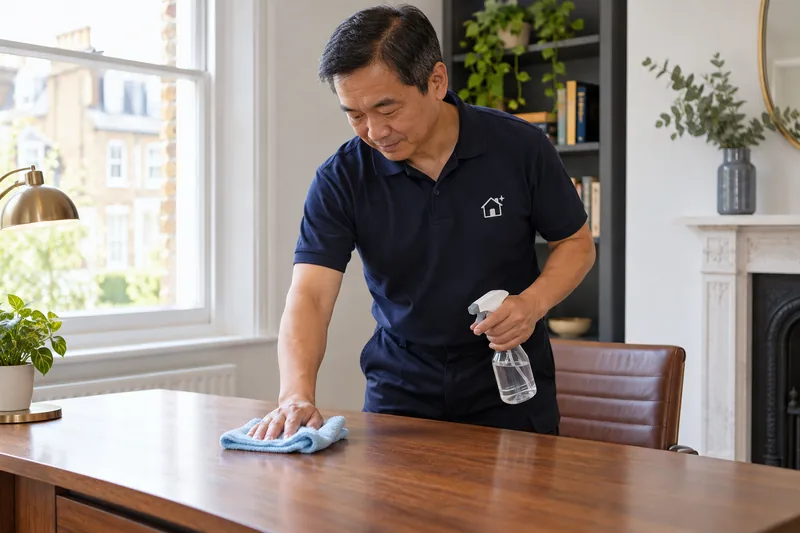
Weekly cleaning starts at £24 per cleaner-hour, fortnightly at £26 and one-off at £28, each with a three-hour minimum. Their standard daytime minimum base examples are £72, £78 and £84 for one cleaner before applicable additions. The condition and full task list may require more allowance or another service. Read the accepted work with the complete calculation. A starting figure provides a useful reference, while the assessment explains the actual amount of help needed rather than assuming every property fits the shortest visit because of its bedroom count.
A recurring list can keep core kitchen, bathroom and floor work consistent, with suitable less frequent tasks on an agreed rotation. Consider what accumulates between visits and what you will keep managing yourself. The first catch-up may also differ from later maintenance. Deep cleaning starts at £35 per cleaner-hour with a four-hour minimum, with intensive scope and preparation assessed. Choose the service for the actual method and list, rather than expect every interior, specialist fabric treatment or restoration concern to be included automatically through extra routine hours.
For an empty property at a tenancy change or move-in, starting packages are £189 for a studio or one bedroom, £269 for two bedrooms and £329 for three or more bedrooms or a house. Supply bathroom and appliance requirements, condition and access details for an assessed checklist and full quote. Review separately requested additions with the main work. Cleaning can address accepted tasks, but no package guarantees a landlord's deposit decision, inspection result or restoration of every pre-existing mark simply because a particular service was selected.
Choose the preferred date and start time together. Early or later work, short notice and applicable holiday rates can affect the amount, with additions itemised before agreement. Cleaner-hours measure labour and can differ from elapsed time where a suitable team is accepted; staffing and availability still need confirmation. For confirmed funded bookings, top-ups begin at £35 and sufficient available balance for the full required amount is needed before reservation. The minimum funding figure is separate from a cleaning-service starting price.
Additional work or overtime needs approval of the proposed task, time and charge before acceptance. If the complete quote exceeds your intended spend, compare a smaller useful list or another suitable appointment and check the corresponding exclusions. A clear variation should keep the important result visible while preserving the cleaner's endpoint. It avoids an automatic extension or an expectation that every later request fits unchanged hours while previously accepted priorities compete for the same working allowance against a larger unassessed list.

A home near Church Street, Park Road or another local point needs its own exact residential doorway and authorised route. Provide those details separately from any landmark used for orientation. Agree entry and the final handover, checking a reception, representative or key process with the responsible person where relevant. Confidential access instructions should stay private, with a practical contact for an unexpected problem. A public approach or building's main entrance does not necessarily establish the permitted way into the particular flat and rooms covered by your accepted list.
For recurring visits, have the agreed safe, usable vacuum, mop and bucket ready; the company arranges approved products, cloths and protective equipment. Report anything missing, broken or unsuitable for the selected floor before arrival. Accepted ironing also needs its safe setup and workspace available. Explain known hazards and pet arrangements and make requested surfaces accessible where practical. This supports the help chosen and allows a practical problem to be considered during planning, instead of discovering an essential equipment or access issue after the paid working period has begun.
If someone needs the kitchen during the appointment, describe that interruption when the visit is planned. Bathroom or bedroom work might fit around it, provided the agreed list and access allow a sensible sequence. Equally, a room used for a private call can have a known release time or stay outside the scope. Set those arrangements before confirmation and raise later changes promptly. The cleaner then has a workable order to consider, and the household knows which spaces need to be available rather than negotiating every room as work proceeds.
For a tenancy or move-in service, coordinate removals, deliveries and whoever controls the keys so the assessed empty-property scope is ready. A home still occupied, furnished or partly packed may present a different workload. Tell the agency about a material change and have its effect on preparation, allowance and complete price considered. The actual starting condition matters more than the room count alone, so an earlier empty-home quote should not be treated as unchanged proof of what fits when readiness or access differs substantially.
A limited request can still have a very clear purpose. If you need an included bedroom ready with clean linen and the main bathroom attended to, name those spaces and the bed task. Keep an excluded study or storage room off the list. Compare that version with the proposed hours rather than assume every room must be selected. A cleaner can follow a focused brief, and you can review the useful result without uncertain expectations about private areas that were never part of the appointment.
The required identity and suitability checks come before a cleaner's approval for work. An individual booking then needs suitable competence, coverage and availability. Clear household instructions make that match practical. Mention the task that needs a particular skill, and explain a proposed change before expecting it to be included. The agency can assess a new allowance or a different mix of work, with the complete cost understood. This provides a route for adjusting the help while keeping the accepted appointment achievable for the cleaner.
Review a concern in relation to the task accepted. A particular shower fitting, floor area or bed instruction gives the agency something concrete to assess; a photo is helpful only if it explains that condition. Use an appropriate private route and keep people, paperwork, screens and access information outside the image. Report missed work as soon as practical, within 48 hours where possible. The facts and booking terms determine the response, and this reporting request does not restrict the household's statutory rights.
Set out the help needed in your own property rather than begin with a district landmark. Give the full address, choose the service and identify a preferred date and start. Add the included rooms and quantities of household tasks, with a short note for anything that affects assessment. You can then compare the proposed work and labour time with the total charge. That turns a general wish for a cleaner into an understandable appointment with a useful purpose in the parts of home you actually selected.
Need to compare the details? See more cleaning questions →
Provide the full home postcode and exact address so the agency can assess coverage and suitable availability for your actual property. The area includes different residential settings, and a riverside landmark is not needed to describe every home. Include the correct entrance, layout and work alongside the preferred appointment.
State which rooms and tasks are included and which spaces stay excluded. You can request shared rooms only or an agreed limited bed task where appropriate. The accepted list should give the cleaner clear permissions and priorities, with a household contact for questions where several adults share the home.
Identify the hands-on stage and amount, with what will be ready at arrival. The combined cleaning and domestic work needs enough cleaner-hours. Machine cycles may finish later, so explain who handles those stages. A defined contribution can be assessed without assuming every washing and drying process finishes before the cleaner leaves.
Compare a larger suitable allowance, a different service or a narrower list that protects your main priorities. Any additional work or overtime needs approval of its task, time and charge. The cleaner should have an achievable accepted plan rather than every extra request being assumed to fit unchanged hours.
Take a look around the area, then use your full postcode to plan a clean for your own home.
Area reference only. This map does not mark a company office or confirm service boundaries.
This embedded map is provided by Google, which receives connection information and may use cookies. Google privacy information.
Postcode districts help you browse. They overlap neighbourhood boundaries; your full address and available cleaner time still need checking.
Start with your postcode. We’ll plan the clean around your home.