Weekly cleaning
£24per cleaner-hour
3 hours minimum · £72 daytime basePlan weekly cleaning
Choose the help that makes the biggest difference at home, then find a suitable appointment around the rooms and hours you can make available. An Aldwych cleaning request can cover regular upkeep, a one-off catch-up or a more substantial assessed clean. Local House Cleaners London brings the details together before work is agreed: the property, tasks, date, start time, cleaner-hours and complete proposed charge. If an evening visit suits you, the plan should explain what can be done in that window and how the time affects the price. Start with the result you want to come home to.

Moving area names stop while hovered or focused. Press Enter or Space, or tap the moving area, to keep them still after leaving. Activate again to allow movement. Browse the directory for the complete list.
A regular helping hand, a proper reset or a clean before your next move. Choose the work your home needs.
Keep the kitchen, bathrooms and everyday rooms feeling cared for.
Explore regular cleaning02 ↗More time for reachable detail and the build-up that needs extra attention.
Explore deep cleaning03 ↗An agreed empty-property checklist, ready for your next chapter.
Explore tenancy cleaningA clear plan for your Aldwych home, from the jobs you need to an agreed visit.
Add your contact details and save your home address.
Pick your service, tasks and property details. Choose a date and start time, then check the full cost.
Top up from £35, with enough to cover the whole visit. The booking amount is reserved from your balance when you confirm.
Agree the plan and an available time. Your visit details stay in your account.
These are starting points. The final scope, timing and suitable cleaner availability need confirmation.
£24per cleaner-hour
3 hours minimum · £72 daytime basePlan weekly cleaning£26per cleaner-hour
3 hours minimum · £78 daytime basePlan fortnightly cleaning£28per cleaner-hour
3 hours minimum · £84 daytime basePlan one-off cleaning£35per cleaner-hour
4 hours minimum · £140 daytime basePlan deep cleaningEarly starts, late finishes and next-day requests can cost more. The full breakdown is shown before agreement. See timing prices and assessed extras →
Studio & 1 bed from £189 · 2 beds from £269 · 3+ beds & houses from £329
 Aldwych · WC2B
A clean is more useful when the cleaner knows exactly where to start. Pick your rooms, add your priorities and allow enough time for the work.
Ironing and laundry use the same booked time. A long checklist may need more than the minimum visit.
Build my cleaning planHouse, flat or studio—start with what matters most to you.

A useful enquiry begins with the jobs you want taken off your hands. Perhaps the kitchen and bathroom need attention before a busy week, or the sitting room and suitable floors need their own catch-up. Put the most important result first. The service and duration can then be considered against that request, rather than treating a free evening as a promise to clean every part of the home. You should be able to see what the proposed attendance is intended to achieve.
The Aldwych Theatre's operator gives its address as 49 Aldwych, London WC2B 4DF, and describes the building at the corner of Drury Lane and Aldwych, just off the Strand. Those road references help place the location; they do not identify your private entrance. Supply the home's full address and postcode, including a building or flat identifier where applicable. The agency can check the particular destination and appointment instead of making assumptions from a nearby landmark or the name on this page.
Choose House, Flat or Studio and describe the spaces actually included. Name the kitchen, bathrooms, additional toilets and connecting rooms separately where they need work. Mention a room that will remain private or be in use during attendance. This makes the enquiry easier to assess and gives the cleaner a more practical brief. A property label is a starting point: the number of surfaces, present condition and preparation still affect how much useful work fits into the agreed labour allowance.
Select the appropriate kind of cleaning for the starting condition. Regular visits support an agreed upkeep routine; a one-off appointment can address a defined catch-up. More substantial accumulation may require an assessed deep clean. Describe grease, dust or scale where it changes the work needed, rather than choosing a service only because it has an available-looking time. Honest detail helps the agency propose a sensible scope and helps you compare the cost of doing the work properly.
You can also request ironing, laundry stages, bed straightening or another specific domestic task. Give the quantity and action wanted, then let the proposed allowance reflect it. A list of eight selected services does not mean eight complete jobs fit into three hours. Decide which work leads and what may follow if the accepted time allows. The benefit is a visit built around the household's real priorities, with less uncertainty about what the cleaner is expected to do.
Request a date and start time alongside the number of cleaning hours. The time should suit the people at home as well as the intended work. A preferred evening is a request for a suitable appointment, subject to coverage, skills and availability. Explain if someone needs to finish using a particular room before cleaning begins there. That allows the proposed order to follow a practical household arrangement instead of leaving an unavailable room to interrupt the appointment after arrival.
Make a simple room sequence where it matters. A kitchen available first and a bathroom ready later may be workable, provided the labour and methods fit the accepted scope. If a bedroom must stay quiet or a living room will be occupied throughout, identify the restriction. The cleaner should not have to guess whether to enter, wait or switch tasks. Your brief can set out the available rooms and the priority order without turning ordinary household activity into an elaborate timetable.
The latest supported finish is 22:00. A longer request therefore needs a suitable earlier start or a different appointment; it cannot assume that unfinished work will continue further into the night. Think about the usable cleaning period before choosing the duration. If four cleaner-hours are required, a late start may not provide them with one cleaner. The agency can consider a different arrangement, with the labour, attendance and cost made clear before you decide whether it suits you.
Discuss any practical restrictions on noisy equipment or access when the visit is assessed. A building's quiet-hours arrangements, a sleeping resident or a room occupied by a caller may change the suitable sequence. Do not assume a particular property rule simply because the home is near Aldwych. Give the rule that applies to your address, along with the work wanted. A realistic evening plan respects the actual setting while directing the accepted cleaning time towards useful results.
Plan the end of the appointment too. Identify any room that needs to be usable afterwards and tell the agency about a necessary handover. Suitable floor care must follow the material and working conditions, including a safe route around a drying surface where relevant. Keep household access decisions clear. The aim is to arrange an evening clean you can live around, with an agreed finish and a practical departure rather than a rushed final decision about where everyone can move.
The standard one-off rate is £28 per cleaner-hour, with a minimum of three hours per cleaner. For one cleaner attending for three hours, that gives a base cleaning amount of £84. The rate pays for the accepted labour and scope; it is not an assurance that any number of rooms or extras can be finished in that minimum. Describe the work first, then compare the proposed hours and complete amount with the result you want.
For an illustrative one-off visit from 19:00 to 22:00, two of those three hours fall in the late period from 20:00 to 22:00. The late addition is £5 per affected cleaner-hour, so it adds £10 to the £84 base. That example comes to £94 before any other applicable additions. It shows the calculation for that particular service and time, subject to an accepted appointment; it is not a promise that the date, cleaner or full requested task list is available.
A different service changes the base. Weekly upkeep starts at £24 per cleaner-hour and fortnightly upkeep at £26, each with three hours minimum per cleaner. Deep cleaning is £35 per cleaner-hour with four hours minimum. Cleaner-hours count the labour supplied: two cleaners working three hours provide six cleaner-hours. If a team is proposed, compare both the attendance window and total labour, keeping each service's per-cleaner minimum in view when considering the arrangement.
The calendar can also change a proposal. Next-day work has a 75% addition when a suitable appointment can be arranged; same-day instant booking is unavailable. Applicable holiday rates and early or late hours need to be included where they affect the request. Ask for the complete amount tied to the actual date, service and time. A clear comparison is easier when you use the same task list and labour allowance rather than comparing an ordinary daytime base with a different out-of-hours request.
Account funding starts at £35, but that minimum does not set the cost of the visit. Available funds need to cover the accepted reservation in full. Adding money by itself does not confirm attendance, increase the booked duration or authorise extra work. Review the proposed cleaning amount and applicable additions before accepting the booking arrangement. You can then understand how the household's priorities connect to the labour, when the cleaner is expected and what the agreed appointment requires financially.

Decide what you need from the kitchen at the end of the appointment. If suitable worktops, the sink and hob exterior lead the list, say so. Identify the materials, present condition and any manufacturer care instructions that affect the work. A defined kitchen scope gives the cleaner a starting point and gives you a useful way to judge the proposed allowance. It also separates ordinary surface cleaning from an appliance interior or another task needing its own assessment.
Clear the working surfaces you want cleaned where practical. Put away personal items and decide which possessions should remain untouched. If you want help with washing-up or light handling, describe the amount rather than assume every item will be moved as part of wiping a counter. The accepted labour should account for requested handling alongside cleaning. That makes it easier to choose between a broader domestic task list and more attention to the surfaces already made available.
Explain how the kitchen will be used during attendance. If food preparation overlaps the appointment, identify when the work area can be handed over. The cleaner needs safe access to the accepted surfaces and a suitable method for their materials. A room becoming available later does not create additional cleaning time. Put the sequence into the request so the agency can consider whether it fits the proposed start, duration and other room priorities before you accept the appointment.
Appliance interiors need an explicit request, with the appliance type and condition given for assessment. Do not infer internal oven, fridge or cupboard cleaning from a general kitchen selection. Some assessed services have their own defined inclusions, so the proposal should show what is already covered and what would be additional. This keeps a focused kitchen visit understandable and avoids paying for an extra that duplicates work included in the particular service you have agreed.
If the kitchen takes longer than expected, the cleaner should follow the accepted priorities and raise the issue. Additional scope, time and charge require agreement before extra work proceeds, subject to availability. You may prefer to keep the appointment within its booked allowance and leave a lower-priority task for another visit. Decide through a clear change to the plan. A useful kitchen result comes from matching the work to the allowance, with the customer able to make the spending decision.
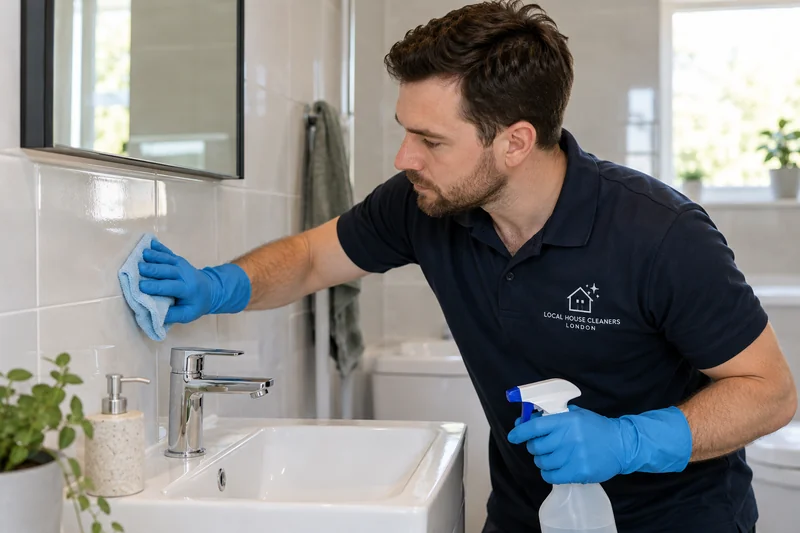
List the bathroom fixtures that need attention and explain any substantial scale or staining. Surface type matters: a suitable approach for one finish may be wrong for another. Give care instructions and known defects before the appointment so the proposed scope can reflect them. The cleaner can be asked to address accessible agreed areas without an unrealistic promise that every mark or damaged finish will disappear. The useful comparison is the assessed work and method, with appropriate time allowed.
Identify the suitable floors included in the visit, including a hallway or separate room if it matters to your priorities. Say which areas can be vacuumed and where an agreed material-appropriate mop is wanted. Ordinary floor care is different from specialist carpet or upholstery treatment. Heavy furniture moving and unsafe access should not be assumed. A prepared route and an accurate description help make the floor allowance practical instead of burying several different services under one general request.
For dusting, indicate the accessible surfaces and preparation you can provide. Fragile displays, personal papers and tightly packed shelves may need household decisions before cleaning can proceed. You can name a specific cleared surface without asking the cleaner to reorganise possessions or determine what should be discarded. This is especially helpful when room care follows kitchen and bathroom work in a limited evening window. The accepted list should show what is available and which tasks receive attention first.
If ironing is wanted, describe the ready garments, suitable setup and finish required. For laundry, name the hands-on stage and the load involved rather than assume a complete wash-and-dry cycle fits the attendance. Machine cycles can continue beyond the visit. Bed straightening or changing linen also needs a clear instruction and prepared items where relevant. These requests can be useful additions, but their labour must sit within an agreed allowance or be priced into a suitable longer appointment.
Use the Other option for a task that does not fit the listed choices, then explain the action and quantity. A request to help with something else needs enough detail for suitability and time to be considered. It does not automatically include repairs, specialist treatment or unrelated responsibilities. You can ask for the work you actually want while keeping the proposed visit clear. The agency can then identify a suitable service, ask for relevant detail and put an assessable plan before you.

Arrange authorised entry for the private home and any shared entrance separately. Give the residential door or building identifier where the street address alone would be ambiguous. If another person will provide access, confirm their authority and practical availability. Keep key, entry and security details in private instructions. A cleaner arriving near Aldwych needs the actual destination and agreed handover, not a public landmark offered in place of the final address or permission to enter.
Say whether you will be at home, leaving during attendance or returning for the finish. Provide a suitable contact if an access question or change needs a decision. Discuss any pet arrangement or working restriction before acceptance, keeping animal supervision and household security responsibilities clearly assigned. These practical instructions should agree with the rooms listed for cleaning. A good handover lets the cleaner begin the accepted work with fewer unresolved decisions about entry, room access and personal possessions.
For recurring domestic visits, prepare a safe usable vacuum cleaner, mop and bucket suited to the agreed work. The company provides its approved products, cloths and protective equipment. Tell the agency about floor care requirements, unsuitable equipment or a setup problem while the visit is being planned. A booking should not depend on an untested assumption that every tool at the property works or that the cleaner will supply a machine outside the accepted service arrangement.
The agency verifies identity and suitability and approves a cleaner before they can accept work. The proposed appointment also depends on the appropriate coverage, skills and availability. This provides a process for considering the person and the job together, without promising that any particular individual is free at the requested time. Give relevant household information accurately so it can form part of the assessment. Your cleaning brief should be ready to guide the actual accepted attendance.
At departure, follow the agreed instructions for locking up and handing over. If the home will be empty, settle that process in advance, including any item that should stay in a specified place. Cleaning completion and security arrangements need their own clear instructions. Useful work notes can explain the tasks attended to and anything needing a customer decision. They should remain proportionate to the job, with photographs where appropriate excluding people, private documents, screens, keys and security information.
First, describe the home and result. Enter the full postcode, choose the property type and list the rooms and tasks in priority order. Include the starting condition and any restriction that affects safe access or the work. Keep the description specific enough to assess: a kitchen needing suitable surface care and one bathroom is more useful than a request to do everything. The agency can then consider the appropriate service and labour for your household.
Second, request the date, start and cleaning hours. Explain which rooms will be available at that time and whether another arrangement is possible. Third, review the proposal, including the service, cleaner-hours and applicable additions. Check that it matches the result and attendance you intended, with no assumed extras. This is the point to resolve a mismatch between the room list and the allowance, before a limited evening window becomes an accepted appointment that cannot reasonably cover the work.
Fourth, follow the account funding and reservation arrangements for the accepted booking, and prepare the agreed handover. Available funds must cover the reservation; a minimum top-up alone does not confirm a visit. Keep the final brief current if household circumstances change. You can then approach the appointment with an understood scope, time and price. After attendance, use the work notes to identify anything that should be discussed before a repeat visit or a separate request.
Raise a concern promptly, within 48 hours where possible, giving the location and nature of the issue. Any supporting photo should show the relevant work without exposing private information. The agency can consider the concern and appropriate next steps; your statutory rights are unaffected. If the service worked well but the household needs more or less help next time, update the priorities and proposed hours. A useful routine follows the work your home needs, with changes agreed rather than left to assumption.
Need to compare the details? See more cleaning questions →
Yes. Give the full home address, preferred date, start time and tasks for assessment. A suitable appointment depends on coverage, skills, availability and a workable room arrangement. Late hours from 20:00 to 22:00 add £5 per affected cleaner-hour, and the latest supported finish is 22:00. Your complete proposal should reflect the actual service, time and any other applicable additions before you accept it.
For one cleaner, three hours at the one-off rate of £28 gives an £84 base. Two hours fall within the late period, adding £10, so this example totals £94 before other applicable additions. The task list must still be assessed against the labour available, and the requested appointment is subject to acceptance. A different service, date, team size or scope can produce a different complete amount.
Request the particular work, quantities and priorities so the required labour can be considered. Ironing needs ready garments and an agreed suitable setup. Laundry requests should specify the hands-on stage, because machine cycles may outlast attendance. Combining selections does not make every task fit a minimum visit. The proposal should show a realistic allowance or a narrower scope before you decide.
£35 is the minimum top-up, not a fixed cleaning price or automatic booking confirmation. Available funds need to cover the accepted reservation, and attendance follows the agreed booking arrangement. Check the service, cleaner-hours, timing and complete charge. Extra tasks or overtime require approval of the scope, time and charge before work proceeds, subject to availability.
Take a look around the area, then use your full postcode to plan a clean for your own home.
Area reference only. This map does not mark a company office or confirm service boundaries.
This embedded map is provided by Google, which receives connection information and may use cookies. Google privacy information.
Postcode districts help you browse. They overlap neighbourhood boundaries; your full address and available cleaner time still need checking.
Start with your postcode. We’ll plan the clean around your home.