Weekly cleaning
£24per cleaner-hour
3 hours minimum · £72 daytime basePlan weekly cleaning
Make the cleaning you want done easier to arrange. For your Martins Corner home, start with a useful result: an attended bathroom, kitchen surfaces ready for cooking, suitable floors cleaned or fresh linen on the beds you choose. We discuss the room details, starting condition and enough cleaner-hours for the work, then explain the complete price before confirmation. You can keep the request focused or include household extras with their own allowance. The cleaner receives clear priorities, and the agency is available for questions and changes.

Moving area names stop while hovered or focused. Press Enter or Space, or tap the moving area, to keep them still after leaving. Activate again to allow movement. Browse the directory for the complete list.
A regular helping hand, a proper reset or a clean before your next move. Choose the work your home needs.
Keep the kitchen, bathrooms and everyday rooms feeling cared for.
Explore regular cleaning02 ↗More time for reachable detail and the build-up that needs extra attention.
Explore deep cleaning03 ↗An agreed empty-property checklist, ready for your next chapter.
Explore tenancy cleaningA clear plan for your Martins Corner home, from the jobs you need to an agreed visit.
Add your contact details and save your home address.
Pick your service, tasks and property details. Choose a date and start time, then check the full cost.
Top up from £35, with enough to cover the whole visit. The booking amount is reserved from your balance when you confirm.
Agree the plan and an available time. Your visit details stay in your account.
These are starting points. The final scope, timing and suitable cleaner availability need confirmation.
£24per cleaner-hour
3 hours minimum · £72 daytime basePlan weekly cleaning£26per cleaner-hour
3 hours minimum · £78 daytime basePlan fortnightly cleaning£28per cleaner-hour
3 hours minimum · £84 daytime basePlan one-off cleaning£35per cleaner-hour
4 hours minimum · £140 daytime basePlan deep cleaningEarly starts, late finishes and next-day requests can cost more. The full breakdown is shown before agreement. See timing prices and assessed extras →
Studio & 1 bed from £189 · 2 beds from £269 · 3+ beds & houses from £329
 Martins Corner · RM8
A clean is more useful when the cleaner knows exactly where to start. Pick your rooms, add your priorities and allow enough time for the work.
Ironing and laundry use the same booked time. A long checklist may need more than the minimum visit.
Build my cleaning planHouse, flat or studio—start with what matters most to you.
Think about which cleaning jobs you would be most relieved not to carry into another week. The main shower and kitchen might be the answer, or suitable floor care through the busy rooms. You may want a bed changed while a spare room receives less attention. Those choices should drive the plan. A household clean does not have to treat every surface equally to be worthwhile; it needs enough attention on the tasks that matter to you.
Describe how the rooms are used and what changes the workload. A second bathroom adds fittings. A combined kitchen and living area can involve several distinct tasks. A bedroom used for work may need the floor done while the desk remains private. Include internal stairs and any inaccessible space. We can discuss realistic time from those details instead of assuming a bedroom number tells the cleaner the full condition and layout of your home.
Choose essential work and identify anything genuinely optional. If a task must be completed on this occasion, give it a definite place in the accepted scope. Optional details can follow only if the agreed core leaves suitable time; they should not become additional promises attached to the same limited appointment. A clear order gives the cleaner a practical decision when one fitting needs longer attention, instead of leaving several apparently equal requests competing without priorities.
Explain if the initial work is more involved than the routine you want later. Built-up grease, accumulated bathroom deposits or a room left for some time may call for a different service or a longer first appointment. You do not need to make the job sound smaller to ask for help. An accurate description lets us consider appropriate work, while later maintenance can have its own useful core once the starting condition is understood.
Keep personal organising separate from ordinary cleaning. Wiping a ready table and choosing where its mixed contents belong are different jobs. Put private papers or valuables away, identify things to leave untouched and clear small obstacles where practical. If sorting is the help you want, describe the amount and decisions for assessment. The cleaner should not have to open storage, discard items or guess permanent places for belongings in order to carry out a normal surface task.

Accessible worktops, sink, taps, cupboard fronts, hob exterior and suitable flooring can form the kitchen brief. Explain what needs most attention and whether the condition is light upkeep or more substantial residue. Grease around cooking areas can require a different effort from marks on a lightly used front. The cleaner can work towards a useful result with those specifics, rather than interpret the word kitchen as an unlimited set of surfaces, appliances and household jobs.
Decide which areas will be reachable. You may prepare a worktop by moving everyday items yourself or ask about a limited amount of light tidying within the period. Identify anything that must remain in place. Ordinary surface work should not depend on disconnecting unfamiliar appliances or moving heavy equipment without assessment. A clear reachable scope keeps the paid time focused on cleaning instead of repeatedly stop for storage or handling decisions that nobody included in the request.
Make washing up a deliberate choice. State the approximate batch and kind of items involved, especially if there are pans with dried food. Have an appropriate place for clean dishes to drain. Washing those items and then cleaning the sink and nearby surfaces all use time. You can give dish work priority or leave it outside the visit to retain more attention for cooking surfaces. Both are clearer than assume a large unidentified amount happens alongside every other kitchen task.
Ask separately about appliance interiors. Identify the appliance, its condition and the preparation you will complete. Removing food, deciding what to discard or interpreting special operating instructions should not be left to the cleaner without the necessary information. A detailed interior can need a different allowance or service. Agree it beforehand so it does not unexpectedly replace the bathroom or floor work you intended the appointment to cover.
Cupboard interiors also need a defined quantity. One prepared shelf differs from several cupboards full of mixed contents. Explain who removes and replaces items and what the cleaner should do. You may want an occasional interior task beside the regular core, but it still needs suitable time. Clearing, sorting and cleaning should not be treated as one unbounded obligation. A specific request lets you recognise the intended finish and choose which detail is worth doing now.
Include the dining part of the room where useful. A cleared table, accessible chair surfaces and suitable flooring around them can need different methods and care. Identify any covering or finish that should be treated in a particular way. If a household project or personal items occupy the table, decide what you will prepare. Combined rooms are convenient, but a single room label can conceal several distinct cleaning tasks requiring their own attention.
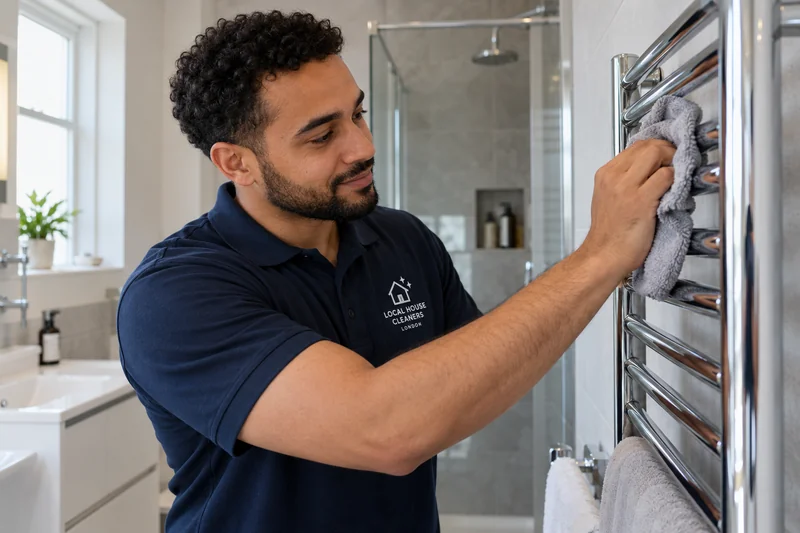
List the bath, shower, screen or enclosure, basin, toilet and any additional fitting. Include another shower room or cloakroom if it is part of the request. A compact bathroom can still involve several detailed tasks, while a property with the same bedroom count can have quite different fittings. Tell us whether the concern is normal upkeep, deposits or suitable floor work. The allowance can then reflect the actual room instead of relying on a broad size assumption.
Condition affects the work. A maintained screen is not the same starting point as one with accumulated residue, so describe what is present. Identify damage or loose fittings that might affect treatment. Missing grout, worn finishes and failed seals do not become sound through cleaning. A remaining mark should be explained, not pursued through increasingly harsh methods without knowing the material. Suitable cleaning aims to improve the agreed surfaces while respecting what can safely be done.
Choose the finishing details you want included with the fittings. An accessible mirror, suitable surrounding surfaces and the floor can help leave the room ready for use. If fresh towels or a changed bathmat are requested, put replacements ready and give used items a destination. Washing them is a separate job. The cleaner should not have to search private cupboards or start an unplanned cycle simply to interpret what you wanted from a bathroom visit.
If the household needs to use the bathroom during the appointment, discuss a practical sequence. The cleaner needs a suitable period to work on accepted fittings without repeatedly stopping halfway through. You can stay at home while agreeing which room should come first and when it must be available again. The order can help, but it does not remove the need for sufficient hours. A larger fitting list should have a realistic allowance rather than depend on interruptions somehow costing no time.
Give each bathroom its own emphasis where appropriate. A lightly used cloakroom may need straightforward upkeep, while a main shower needs more attention. Or several rooms may all be essential before a particular household occasion. State the requirement so the cleaner has a workable priority order. A small extra room is still work even if it appears as a short addition to the list; it should not silently consume time reserved for another essential task.
Tell us the materials and areas to include in floor care. Carpet, loose rugs and different hard finishes need suitable methods, sometimes within the same open room. Identify where the most noticeable dirt is, such as the hallway or dining area, and whether accessible edges matter. Appropriate vacuuming and mopping can then be planned. Routine cleaning does not repair worn surfaces or include every specialist stain treatment, so a specific concern should be assessed on its own requirements.
Keep access practical. Move small loose objects where possible and identify items that must remain in position. If a particular section beneath light furniture matters, explain it. Standard domestic work does not imply shifting heavy furniture throughout the property to reach every hidden area. A cleaner can work more safely and effectively with a reachable scope based on the real room and agreed equipment, without discovering obstacles after the hours have already been planned for other tasks.
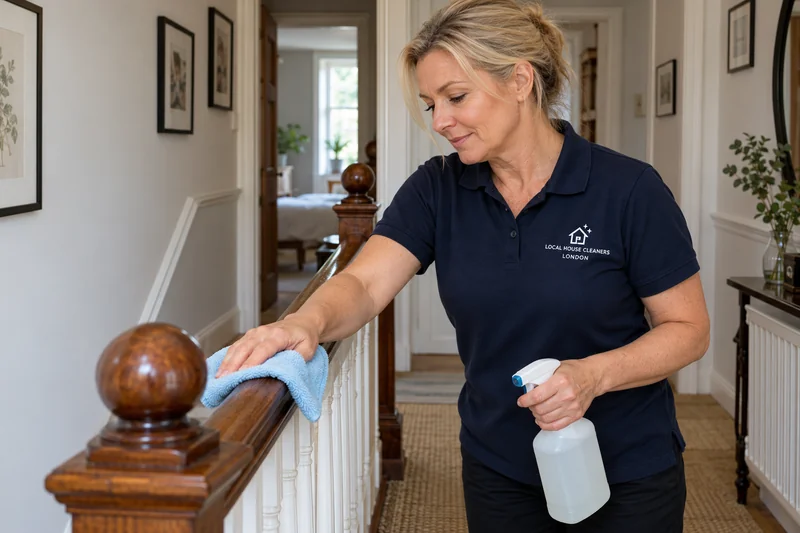
Include stairs and landings where you want them cleaned. State the surface and whether accessible banisters need wiping. They contribute real work even when the number of bedrooms is unchanged. Keep steps and the route clear of shoes, bags and loose hazards where practical. Describing the connection between rooms helps the cleaner aim for a useful finish through the accepted spaces, rather than treat those areas as invisible work outside the timing.
Reachable dusting can focus on chosen furniture tops, shelves and ledges. A clear surface differs from a crowded display, private desk or electronic workspace. Say what should stay untouched. A cleaner does not need to open drawers or reorganise papers to improve ordinary room surfaces. If an object needs particular handling, identify the relevant care rather than expect its material or significance to be obvious. Clear boundaries make the help easier to carry out without constant questions.
A room used for both work and relaxing can still have a useful limited brief. The desk and documents might remain private while the surrounding floor and a clear side surface are included. Explain occupied periods that change the sequence. The cleaner needs information about the space available and accepted tasks, not unrelated personal detail. This lets the household continue using the home while keeping a practical boundary around the work you want done.

Choose straightening a bed or changing its linen, then state the beds and sizes. Put the correct clean sets together and identify where used linen should go. If flooring and dusting in the bedroom matter too, name them separately. A bed change can be a valuable result without authorising work on every surrounding possession. It also does not automatically include washing and drying the old set during time already allocated to room cleaning.
Describe the particular laundry stage wanted. Starting a suitable load with your instructions, hanging ready items, folding dry clothing and putting it in an agreed place are different jobs. Give the amount and care requirements. A programme may continue beyond the appointment, so choose who takes over. The machine's cycle and the cleaner's paid period are not the same thing. Help with a defined stage can be worthwhile without promising the entire process will finish before departure.
Ironing needs a finite batch, the agreed safe iron and stable board, and care instructions where relevant. Select items and identify anything to leave aside. Simple garments and detailed pieces can require different effort. Decide what should be done first and where finished clothing goes, such as suitable hangers or a clear folding space. That gives the task an understandable finish rather than treat a household basket of unknown quantity as one small extra.
Set the priority against the main cleaning. You may want the bathroom and kitchen completed before ironing begins, or prefer a visit mainly for clothing help with a smaller room list. A longer suitable appointment can be discussed if all tasks are essential. The same person cannot spend one period fully on two complete sets of work. Giving each its share makes the arrangement useful instead of leaving the result dependent on time that was never allowed.
Standard weekly cleaning is £24 per cleaner-hour and fortnightly cleaning is £26 per cleaner-hour. Both have a three-hour minimum. For one cleaner, a three-hour weekly appointment costs £72 and a three-hour fortnightly appointment £78 before applicable additions. Consider the interval and what you manage between visits. A less frequent routine can require a different allowance or tighter scope, rather than assume the same list and minimum hours will suit every household pattern.
One-off standard cleaning is £28 per cleaner-hour with a minimum of three hours. Deep cleaning is £35 per cleaner-hour and requires at least four hours. For a four-hour example, the standard one-off amount is £112 and the minimum deep-cleaning amount £140 before applicable additions. Explain build-up and condition when discussing the service. A lower rate does not reduce an intensive workload, while a deeper service still needs a clear scope instead of a promise to handle every specialist issue.
Cleaner-hours count each person's time. If a suitable team is agreed, its combined labour can exceed the elapsed period at the property, so review staffing and the full amount. Early, evening, urgent and other qualifying requests may have additions, subject to availability and the applicable terms. Give the actual date and preferred start, including any strict finish. The quote should describe the appointment you need, not only a general daytime example.
If the proposed total is more than you want, decide which work to keep and which can wait. A smaller achievable selection may be more useful than retaining an impossible list at minimum hours. Additional time should correspond to a result you value. The cleaner should not be expected to stay past the paid finish simply to rescue a scope that never fitted. Compare the essential tasks, suitable duration and complete amount together.
An extra paid task or period requires the authorised person's approval of the scope, time and price before it begins. The cleaner also needs availability to extend. If a new request cannot be agreed, keep the original priorities and stopping time and consider the remainder separately. You can ask about more help without letting the bill become open-ended through assumptions. The agency can explain the options when an unexpected condition or changed preference affects the work.

Martins Corner is associated with Wood Lane, Porters Avenue and Hewett Road in council neighbourhood-centre records. Those streets help orient an enquiry, but the appointment needs your full residential address and complete postcode, including house or building and flat details. A corner or parade name does not identify every doorway. We assess the actual home and requested service rather than treat the wider RM8 reference as confirmation of a suitable cleaner slot.
Explain any practical final arrival detail, such as the intercom selection or a separate residential entrance. Keep sensitive key information within the agreed private contact route. Confirm who admits the cleaner, who can answer a necessary question and how the property should be left. Check a third-person handover with the person concerned. The cleaner should not have to depend on somebody who has not been told about the appointment or cannot provide the access you expected.
Identity and suitability approval is required before a cleaner can be assigned. For recurring work, provide a safe functioning vacuum, mop and bucket. The company arranges approved products, cloths and personal protective equipment. Different equipment needs belong in the quote discussion. Tell the agency about missing or faulty household items, relevant surface advice and occupied-room or pet arrangements before the visit. Those details make the accepted work practical at the property, not just on the list.
Use the agency for questions, changed requirements and concerns about results. Identify the appointment, room and task and describe what happened. A missed fitting is different from a persistent mark or a future preference for more shower time. A close photo can help with one item if it excludes people, documents and security details. Specific information gives us a useful basis for discussing the issue without requesting a general photographic record of private rooms.
Begin a Martins Corner request with the address, property type, room details, preferred day and start, and the main jobs you want help with. Include the current condition and quantities for any clothing or linen tasks. We can discuss the service, hours and complete amount with access and equipment understood before confirmation. Retain the useful parts as the routine develops and adjust what no longer helps. The cleaner has a workable brief, and you have an agency contact when the arrangement needs attention.
Need to compare the details? See more cleaning questions →
Give the exact home address and full postcode, including house, block and flat details where needed. These are local Martins Corner references, but the residential entrance, tasks and preferred appointment need assessment. A neighbourhood name alone does not confirm access or immediate availability.
Yes. State its fittings and condition and identify what should come next. Lower-priority work can be optional, while essential tasks need enough time in the accepted scope. A focused visit still follows the service minimum and realistic allowance for the actual work.
Describe the selected batch and care instructions, with the agreed safe iron and stable board available. Give ironing its priority and adjust the room tasks to the same finite allowance. A larger batch may need more time or a different combination of work.
Rates count each person's cleaner-hours, which can be more than the elapsed appointment. Suitable staffing, combined labour, scope and complete amount must be confirmed. Compare the actual work and team allowance rather than assume the stated hourly rate covers any number of people for the same total.
Take a look around the area, then use your full postcode to plan a clean for your own home.
Area reference only. This map does not mark a company office or confirm service boundaries.
This embedded map is provided by Google, which receives connection information and may use cookies. Google privacy information.
Postcode districts help you browse. They overlap neighbourhood boundaries; your full address and available cleaner time still need checking.
Start with your postcode. We’ll plan the clean around your home.