Weekly cleaning
£24per cleaner-hour
3 hours minimum · £72 daytime basePlan weekly cleaning
Build a cleaning routine around the jobs that make everyday life at home easier. For Goodmayes, you can enquire about weekly or fortnightly domestic care, a standard one-off appointment or concentrated work needing separate assessment. A steady core of room tasks can sit beside a deliberately chosen occasional extra, with enough labour for what is accepted. Tell us the result you want and its starting condition. We can consider suitable cover and a full proposed amount before you confirm the arrangement.

Moving area names stop while hovered or focused. Press Enter or Space, or tap the moving area, to keep them still after leaving. Activate again to allow movement. Browse the directory for the complete list.
A regular helping hand, a proper reset or a clean before your next move. Choose the work your home needs.
Keep the kitchen, bathrooms and everyday rooms feeling cared for.
Explore regular cleaning02 ↗More time for reachable detail and the build-up that needs extra attention.
Explore deep cleaning03 ↗An agreed empty-property checklist, ready for your next chapter.
Explore tenancy cleaningA clear plan for your Goodmayes home, from the jobs you need to an agreed visit.
Add your contact details and save your home address.
Pick your service, tasks and property details. Choose a date and start time, then check the full cost.
Top up from £35, with enough to cover the whole visit. The booking amount is reserved from your balance when you confirm.
Agree the plan and an available time. Your visit details stay in your account.
These are starting points. The final scope, timing and suitable cleaner availability need confirmation.
£24per cleaner-hour
3 hours minimum · £72 daytime basePlan weekly cleaning£26per cleaner-hour
3 hours minimum · £78 daytime basePlan fortnightly cleaning£28per cleaner-hour
3 hours minimum · £84 daytime basePlan one-off cleaning£35per cleaner-hour
4 hours minimum · £140 daytime basePlan deep cleaningEarly starts, late finishes and next-day requests can cost more. The full breakdown is shown before agreement. See timing prices and assessed extras →
Studio & 1 bed from £189 · 2 beds from £269 · 3+ beds & houses from £329
 Goodmayes · IG3
A clean is more useful when the cleaner knows exactly where to start. Pick your rooms, add your priorities and allow enough time for the work.
Ironing and laundry use the same booked time. A long checklist may need more than the minimum visit.
Build my cleaning planHouse, flat or studio—start with what matters most to you.
A regular clean is most useful when you can describe what it should keep on top of. That might mean suitable attention to the kitchen's working surfaces, the main bathroom fittings and flooring in selected rooms. Perhaps a prepared bed is more valuable than an optional reception room. Put the essential results first. The agency can consider their labour and the frequency wanted, giving you a practical basis for the proposal instead of treating an expanding list of possible chores as though every item will fit the minimum appointment simply because the service can be requested.
Goodmayes station is listed by TfL on Goodmayes Road in IG3, while the park operator gives Goodmayes Park an Aberdour Road address in the same outward district. Those references provide local orientation, not a description of your home. Include your full residential postcode, property number and any building or flat name when asking about cleaning. Suitable cover is considered for that actual destination and work. A cleaner should not have to infer a private entrance from a station or park reference, nor should public visiting information be mistaken for your household's access arrangement.
Describe the property type and included rooms rather than rely on bedrooms alone. An extra toilet, another shower and private stairs add work where selected. A spare bedroom may need only floor care, while a regularly used room includes dusting and a linen change. You can exclude a space if that is the sensible choice. A meaningful brief recognises those different roles, leaving you able to compare a focused routine with a broader allowance instead of expecting the property category to tell the cleaner which surfaces and small finishing actions matter most to you.
Be clear if the first visit has a backlog to address. Established bathroom deposits or a kitchen needing concentrated attention may call for another allowance or an assessed intensive service. A later routine can then have a different purpose. Asking about that initial result honestly is more useful than describing it as light upkeep and hoping the cleaner can catch up while completing every selected room. You can consider the appropriate starting work and continuing arrangement separately, with the benefit and proposed labour of each understood before you commit to the plan.
For the regular kitchen core, identify the suitable preparation surfaces, sink and taps you want attended to. A cool hob exterior, reachable fronts and flooring can be considered alongside them. Explain what will be cleared beforehand and any material restrictions. A counter carrying a lot of stored objects has different preparation from a clear surface. You can choose suitable limited handling or prepare the area yourself. The cleaner should know the working space being accepted, with the labour focused on its care rather than on deciding where your food, equipment and private items ought to live.
If ordinary washing up would help the routine, give it a finite amount. A ready group to drain is different from a group dried and returned to an identified accessible shelf. Large cookware, delicate objects and sharp utensils need their own handling decision. Later dishes do not automatically join an accepted batch. The same clarity helps with a requested bin empty or liner change: identify an appropriate disposal point and have a suitable replacement ready where needed. Heavy clearance and hazardous contents are different work, outside an assumed domestic finishing task.
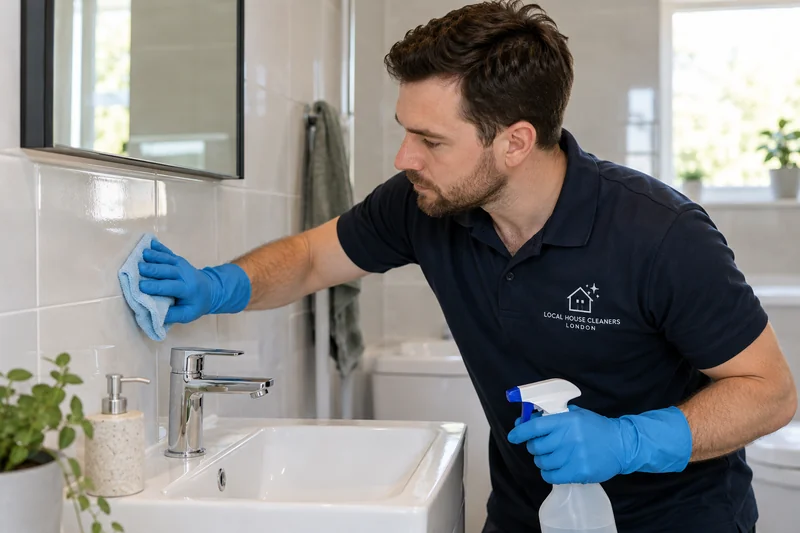
In each bathroom, name the actual fixtures wanted: a bath, separate shower where present, basin and toilet, with reachable mirrors or suitable floor care added explicitly. Another toilet or ensuite needs its own mention. You may give the main washing space a complete accepted role and choose a narrower result elsewhere. That makes the assessment more useful than counting bathrooms as identical units. Explain where residue or scale is concentrated too, so the agency can consider a method and allowance that follow the condition rather than an optimistic room description alone.
Prepare the washing-space surfaces in the way you prefer. Medicines and delicate toiletries can be put safely aside, leaving an identified rim or ledge available. Suitable small-item handling can be considered with an agreed resting place, without turning the task into private cabinet organisation. Flag a leak, loose panel or specialist finish before work is accepted. Repairs, permanent damage and difficult high access are separate concerns. The aim is appropriate care of the selected fittings, not a guarantee that stronger products will restore an impaired surface or fix a failed seal within ordinary cleaning time.

An occasional task can be useful when it has a clear place in the appointment. Perhaps a prepared cupboard section matters this time, or a specific run of suitable kitchen fronts needs more attention. Identify the area and condition before assessment. You can ask for that result as an addition with enough labour, or discuss a different accepted scope for that visit. It should not silently replace a bathroom or another essential chore. A deliberate choice keeps the routine recognisable while giving concentrated work the time and preparation that make it worth considering.
For a cupboard interior, explain the section, material and readiness. Contents should be removed safely where agreed, with any restocking request assessed separately. Emptying all storage and deciding how to reorganise it is different from treating a prepared surface. You can select one finite area rather than a vague request for all cupboards, especially if you want the main rooms maintained as well. The agency can compare the additional labour with the household benefit, leaving you to choose whether the extra belongs in this appointment or needs another suitable arrangement.
Appliance interiors also need a specific assessment. An oven, fridge and accessible microwave can differ in preparation and the work required. Identify the appliance, its condition and the parts wanted. A routine exterior request does not imply food removal, dismantling or specialist treatment. Where suitable, the interior can receive an appropriate allowance before confirmation. You can then compare a concentrated kitchen appointment with your wider domestic routine, rather than assume that the same price and hours cover both an occasional interior result and every room that would normally be included.
Another occasional detail might be in a living room rather than the kitchen. A reachable clear shelf or specified suitable dining-chair details can be assessed by quantity and material. Upholstery treatment and moving substantial furniture are different requests. You may prefer to clear the chosen surface yourself and leave delicate collections untouched. This keeps the occasional task concrete: an accepted area attended to, with handling and finish understood. It also gives you a useful way to decide between several attractive extras without turning all of them into unpriced obligations within the routine labour.

A recurring visit can include a considered clothes task where its quantity is visible. For ironing, identify the ready garments and the pieces you want first, with labels and ordinary care requirements explained. Detailed shirts and larger bedding pieces can call for different handling, so a basket is not a reliable measure of labour. Specialist-care items need another decision. You can compare the accepted group with an optional room action or ask about more time, making the useful finish explicit instead of expecting everything in the household pile to be covered whenever ironing is selected.
The ironing space needs preparation as well as clothes. Have the agreed safe iron, stable board and suitable working area ready, with an appropriate destination for the completed pieces. Explain hanging or folding and provide suitable hangers where needed. The cable should not block a route, and the equipment needs somewhere safe to cool after use. A fault should be raised before the appointment. Setup and a safe finish take part of the task, so the assessed allowance should support the whole practical result rather than only the time the iron touches fabric.
Bed changes can have their own quantity and priority. Put complete suitable clean sets ready for the beds requested, including a protector or extra layer where you want that assessed. Identify the place for removed linen. A bedroom may need only the prepared-bed result, or selected dusting and floor care too. Washing and drying the used pieces are further stages. A clear selection lets you keep the most valuable linen task in the plan without allowing several extra bed-related chores to crowd out the core rooms because nobody distinguished the change from processing all the textiles. A ready set beside each intended bed can avoid searching through different sizes.
With laundry, decide the stage you want help with and its stopping point. Folding a ready dry group has a different requirement from starting a suitable machine load or transferring it to an agreed drying stage. Explain safe appliance instructions and the household handover if a cycle continues after departure. Its duration does not automatically extend the cleaner's hours. You can arrange a useful contribution without expecting every stage completed, keeping the remaining action clear and leaving any extra paid labour subject to a separate approval rather than an appliance's unpredictable finish.

List the floor surfaces in the included rooms and private routes, especially where the material changes. Carpet, a rug and suitable hard flooring can need different methods. Explain care instructions and existing damage before vacuuming or appropriate mopping is accepted. Stain removal needing specialist treatment, restoration of a finish and substantial furniture moving are other requests to assess. Ordinary room care can be useful without promising every hidden area reached or every mark removed. The agreed result should follow the accessible surface and suitable method, rather than a single treatment assumed throughout the property.
Private stairs deserve a clear description if included. Give the flights, landings and floor material, with any requested reachable rail or banister care considered separately. A high fitting over the stairwell or an awkward overhead edge may be beyond ordinary safe reach. Explain that detail before confirmation instead of expecting improvised access. Keep loose belongings away from the agreed working route where practical. The cleaner can then attend to the accepted private area with suitable tools, while repairs or specialist access remain outside a broad instruction to clean everything between two rooms.
For dusting, name the reachable surfaces you want noticed. A clear bedside table and an accessible sideboard top can have a useful routine role without every ornament being moved. Explain suitable handling and what must stay untouched. Private papers, sensitive storage and fragile collections can remain excluded. A small amount of accepted straightening can also be defined, such as placing identified cushions or returning a ready limited group to a known spot. These tasks differ from deciding what to discard or reorganising cupboards, which should not absorb labour intended for the selected room care.
Recurring visits need your safe working vacuum, mop and bucket ready. The company arranges approved products, cloths and protective equipment, with a different supply arrangement agreed in advance where needed. Check the attachments relevant to the requested floors and make storage accessible. A fault should be mentioned before the visit because it can change what is practical. Product and material instructions belong in the assessment too. Suitable preparation lets the cleaner concentrate on the accepted work instead of losing room-care time searching for an unavailable tool or choosing an uncertain household treatment.
For standard cleaning, weekly labour starts at £24 per cleaner-hour and fortnightly at £26, each with a three-hour minimum. The same four cleaner-hours cost £96 weekly or £104 fortnightly at those base rates. Compare the accepted tasks and condition alongside the amount and frequency. A larger occasional request may need more labour even when the regular rooms remain the same. The complete proposal should show applicable additions before you agree, so the useful household result is connected to the amount rather than left to an hourly figure whose scope is unknown.
One-off standard cleaning begins at £28 per cleaner-hour with a three-hour minimum, or a base starting amount of £84. Deep cleaning begins at £35 per cleaner-hour with a four-hour minimum, giving a base starting amount of £140. Explain which kind of work you want assessed. Empty-property moving requirements have another checklist, readiness and layout to consider, rather than being assumed inside occupied-home upkeep. An early, evening or urgent request can carry a quoted addition too and depends on suitable availability. The full arrangement needs confirmation before the preferred time can be relied on.
A suitable team is charged by everyone's cleaner-hours. Two cleaners attending for three hours each provide six cleaner-hours, costing £156 at the fortnightly standard base rate. One cleaner supplying six hours has the same labour quantity but another elapsed arrangement. Suitable cover and the distribution of tasks still need consideration, especially if several rooms cannot be used at once. Ask the agency to explain the proposal before you choose. A team is not a way to receive multiple people's work for a single person's hourly charge, nor proof that any preferred deadline is possible.
A £35 minimum top-up is a funding minimum, not the complete cost of the selected visit. Sufficient balance needs to cover the accepted amount for reservation at confirmation. If another optional task becomes important later, additional paid scope or overtime needs your approval of the work, labour and cost before it proceeds, as well as cleaner availability. You can keep the original finish and assess the new request separately. This lets the routine grow only when you choose a worthwhile result with its price understood, rather than accumulate an ever-larger list under the original allowance.
Cleaner identity verification and suitability approval are required before assignment. Include relevant task skills, surface restrictions and household requirements with the enquiry so appropriate cover can be considered. Your proposed date and start still need confirmation. The accepted brief should say which results matter and what is available for the visit. If another household member gives entry, identify that person's role, including whether they may approve changes. A clear arrangement supports both you and the cleaner instead of allowing a new paid scope to be inferred from a casual suggestion at the doorway.
Agree an authorised entry method and a contact for an arrival problem if you will be away. Explain the actual private door, building and flat where relevant, plus room restrictions affecting the work. If you will remain home, a practical sequence can help keep selected spaces available. The park and station are local orientation only, so private access should not depend on a public venue's visiting arrangements. Keep security details separate from surface photographs. A useful task image should show only what needs explanation, without household members, papers or private screens in the frame.
A routine can change when the household changes. Tell the agency before the next proposal is confirmed if a different room matters, a linen quantity increases or a particular extra is no longer useful. Compare the new list with the labour rather than carry every previous task forward. You can retain the core and assess one new detail, or discuss a broader allowance where appropriate. A practical change has a clear result and amount; it should not leave the cleaner to reconcile several versions of instructions while trying to complete the original appointment.
For a concern, identify the accepted task and the result you noticed. The agency can consider that question with the original scope, separately from a new job you now want added. A selected shelf that appears missed is different from an excluded interior that you would like cleaned next time. Explain the location and circumstances, with a focused private image where useful. Specific feedback helps keep the arrangement effective without turning every question into a paid addition or allowing an unresolved concern to be hidden inside a larger future list of household work.
Need to compare the details? See more cleaning questions →
Describe the main room tasks and the specific additional result for assessment before confirmation. The extra may need more labour or a deliberately different accepted scope for that appointment. A prepared cupboard section or another linen task should not silently displace an essential room. Compare the complete proposed amount and choose which result is useful for that visit.
Give your actual residential address, full postcode and cleaning requirements so suitable cover can be considered. TfL and the park operator supply useful IG3 references on those roads, but they do not establish a private entrance or confirmed appointment. Include building and flat details where relevant and arrange authorised access before confirmation.
The list still needs assessment against its condition and labour. A first backlog, another bathroom or a larger ironing group can change the allowance even when the frequency stays the same. Explain the work wanted and compare a focused selection with additional time where suitable. The minimum appointment length does not guarantee completion of every optional household task.
Extra paid work requires your approval of its scope, labour and charge before it proceeds, together with cleaner availability. Retaining the original finish is also an option, with the new task considered separately. A machine cycle or an additional item should not create an automatic extension to the accepted hours and amount.
Take a look around the area, then use your full postcode to plan a clean for your own home.
Area reference only. This map does not mark a company office or confirm service boundaries.
This embedded map is provided by Google, which receives connection information and may use cookies. Google privacy information.
Postcode districts help you browse. They overlap neighbourhood boundaries; your full address and available cleaner time still need checking.
Start with your postcode. We’ll plan the clean around your home.