Weekly cleaning
£24per cleaner-hour
3 hours minimum · £72 daytime basePlan weekly cleaning
Get the household work into a plan you can use. For a Catford cleaning request, choose the rooms that need attention, add any defined ironing or laundry help and tell us your preferred date and time. We assess the tasks against suitable hours and a complete quote before confirmation. Whether the immediate need is a kitchen catch-up or a regular routine, the cleaner should know what matters before arriving.

Moving area names stop while hovered or focused. Press Enter or Space, or tap the moving area, to keep them still after leaving. Activate again to allow movement. Browse the directory for the complete list.
A regular helping hand, a proper reset or a clean before your next move. Choose the work your home needs.
Keep the kitchen, bathrooms and everyday rooms feeling cared for.
Explore regular cleaning02 ↗More time for reachable detail and the build-up that needs extra attention.
Explore deep cleaning03 ↗An agreed empty-property checklist, ready for your next chapter.
Explore tenancy cleaningA clear plan for your Catford home, from the jobs you need to an agreed visit.
Add your contact details and save your home address.
Pick your service, tasks and property details. Choose a date and start time, then check the full cost.
Top up from £35, with enough to cover the whole visit. The booking amount is reserved from your balance when you confirm.
Agree the plan and an available time. Your visit details stay in your account.
These are starting points. The final scope, timing and suitable cleaner availability need confirmation.
£24per cleaner-hour
3 hours minimum · £72 daytime basePlan weekly cleaning£26per cleaner-hour
3 hours minimum · £78 daytime basePlan fortnightly cleaning£28per cleaner-hour
3 hours minimum · £84 daytime basePlan one-off cleaning£35per cleaner-hour
4 hours minimum · £140 daytime basePlan deep cleaningEarly starts, late finishes and next-day requests can cost more. The full breakdown is shown before agreement. See timing prices and assessed extras →
Studio & 1 bed from £189 · 2 beds from £269 · 3+ beds & houses from £329
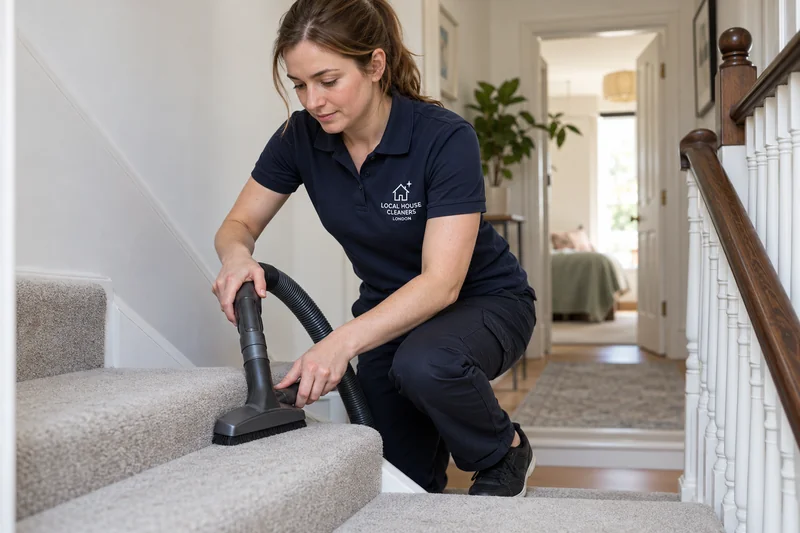 Catford · SE6
A clean is more useful when the cleaner knows exactly where to start. Pick your rooms, add your priorities and allow enough time for the work.
Ironing and laundry use the same booked time. A long checklist may need more than the minimum visit.
Build my cleaning planHouse, flat or studio—start with what matters most to you.

A home can feel difficult to keep on top of when a few everyday jobs keep returning. The worktops need attention again, the bathroom needs doing and the hall floor is waiting until there is a spare hour. Start by choosing the tasks that would relieve that pressure. A focused cleaning request can give these essentials a realistic place in the visit. It does not need to include every possible extra to be worthwhile, and you can change the balance as the household's needs become clearer.
Catford includes a busy commercial centre and surrounding residential neighbourhoods. Lewisham Council's Culverley Green appraisal describes one residential area to the south-west of that centre, with housing around it and shops along Bromley Road. Your own address still needs its own assessment. A home near a main road, on a residential street or above other premises can have a different layout and entrance. The postcode, property choices and selected rooms give us the information that the wider area description cannot.
For everyday kitchen use, select the surfaces and fittings you want ready after the clean. The sink, accessible worktops and hob exterior can form a useful starting group. If washing up, clearing or cupboard work is also wanted, show that quantity separately rather than placing it inside a general kitchen instruction. This lets the cleaner give the agreed surfaces attention without spending the allowance sorting through unrelated belongings. You can choose preparation help where useful and still keep a clear boundary around food or personal items.
In the bathroom, count the fittings rather than only naming the room. A bath with a separate shower, a second toilet or another basin changes the amount of work. Mention the condition and any known finish instructions. An initial visit may concentrate on accumulated use before a recurring routine can maintain it. You can decide whether a longer first appointment or a smaller selected scope would be more useful. The aim is an appropriate result for the booked work, not a hurried pass over too many fittings.
The same priority approach works in living spaces. You may value vacuumed walking routes and accessible dusting more than a complete rearrangement of every shelf. Choose the surfaces, floor areas and any reachable detail that would improve the room for you. Identify possessions that should stay untouched. That creates a cleanable selection without implying that the cleaner will organise paperwork or decide where belongings belong. A practical first request gives you a clearer basis for choosing how much ongoing help the home would benefit from.
An hourly rate helps you compare services, but the useful decision is the whole appointment. A short list of busy rooms and a long list with ironing, laundry and appliance interiors need different allowances. The assessment considers the chosen work, amount, condition and preparation. If the selection is too large for the initial hours, you can ask about more time or reduce it. This makes the quote a practical choice about the help you want rather than a hopeful estimate attached to an unlimited clean.
The standard daytime starting rates are £24 per hour for weekly cleaning, £26 for fortnightly cleaning and £28 for a one-off visit. Each has a three-hour minimum. Deep cleaning starts at £35 per hour with a four-hour minimum. The service and full quote still need to match your request, and relevant timing or urgency adjustments are considered before confirmation. A starting rate should not be read as a complete price for a property regardless of its size, condition or task list.
Different purposes deserve different comparisons. A recurring visit may keep the kitchen, bathroom and selected floors manageable. A one-off appointment might deal with an ordinary catch-up across fewer rooms, while more intensive accumulated work can need a deep-clean assessment. Choose what you want achieved and describe the condition. The agency can explain which service is appropriate and why. You can then compare meaningful alternatives rather than choosing the lowest hourly figure and expecting it to cover a different level of work.
Extra household tasks also need an allowance that reflects their quantity. A small prepared ironing selection is different from a full mixed basket. Changing one bed is different from changing several beds across separate rooms. If these tasks are important, include them before the hours are agreed. You can decide whether they belong alongside the clean or should take the place of a less useful job. This keeps the price connected to a result that can reasonably be attempted within the selected period.
Review the date, time, service and selected hours when the quote is presented. If a different time would change the cost, compare that full amount before choosing. You should also understand what has been reserved for the specific booking and what remains available in the account. Having funds available does not expand the cleaning scope automatically. A clear quote and a clear task selection let you decide what to spend, with any later paid extension requiring an appropriate decision rather than becoming an assumption.
The most helpful brief identifies a result and the practical details that affect it. Choose the property type and rooms, then add care instructions for a surface that needs a particular method. A fragile display, a new finish or an item you prefer not to have moved should be easy to identify. You do not need to write a lengthy set of instructions for ordinary work. The cleaner needs enough information to approach the selected tasks appropriately and know where the boundaries are.
Floor care is one place where a few details help. Say which areas need vacuuming, which hard surfaces are suitable for mopping and where a rug needs attention. The cleaner should not have to assume that every surface can take the same treatment. Reachable work around furniture is different from moving large pieces. Identify the actual access and any instruction that affects the method, so the useful floor cleaning is planned without turning the booking into furniture removal or a specialist treatment request.
Dusting can be selected at a similarly useful level. An exposed desk, a television stand and a clear shelf provide a different task from a densely filled display. Decide whether ordinary items will be moved by you beforehand, whether agreed preparation help is needed or whether an area should be left alone. This gives the cleaner a workable surface selection. Personal papers and delicate possessions can stay within the limits you choose, with the booked time directed towards the accessible work you wanted done.
A kitchen or utility appliance also needs the right scope. Cleaning an exterior is not the same as working inside it, and removable parts may have their own instructions. Tell us what you want included and what preparation will be complete. Avoid relying on an appliance name alone to mean every possible part and process. A defined request helps the agency check suitability and time, and lets the cleaner follow an agreed plan without deciding independently how far the work should go.
Cleaners are assessed for agency approval and suitability before allocation. Availability for the chosen Catford appointment still has to be checked, and a general household service is not a claim of specialist expertise for every material or condition. If the work involves something unfamiliar or unusually difficult, describe it early. The agency can check the fit and explain any limitation. You gain a more useful answer before confirming, and the cleaner receives a task list that reflects the service actually arranged.
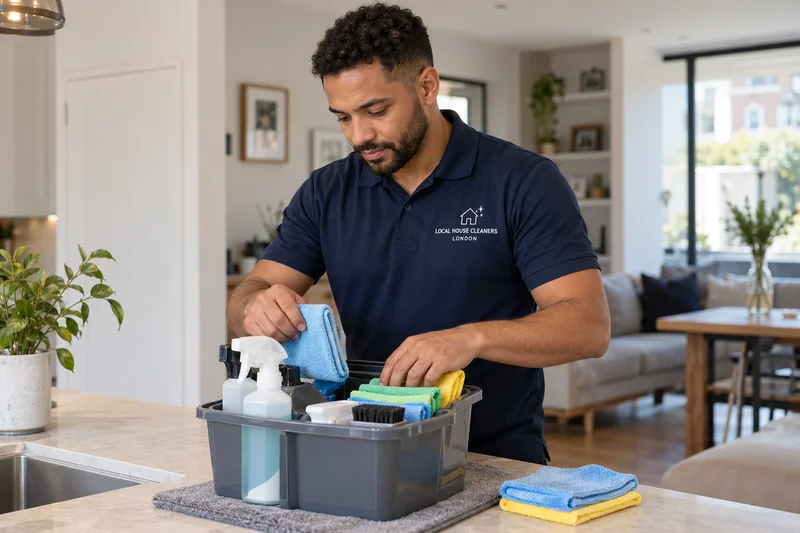
Choose a preferred date and start time as part of the request. A visit that conflicts with cooking, sleep or working from home can be less useful even when the tasks are right. Tell us the specific constraint rather than trying to describe your whole day. You might need one bathroom available until a certain point or prefer the kitchen done before you return. The agency checks suitable cover and the proposed allowance together, with the final appointment confirmed rather than implied by the initial selection.
Where an early start would help, requests can begin from 6am under the scheduling rules and subject to cover. Later appointments must also fit the available working period. Time-based and urgent next-day adjustments can affect the amount quoted. Compare the benefit of the requested slot with its full cost, and have an alternative in mind if useful. The service is arranged around a confirmed appointment; this page does not promise that every Catford address can have any preferred time without a cover check.
If several people use the home, a short order of work can prevent unnecessary interruptions. The cleaner could begin in a room that is free while another area remains in use, then move on when access is available. The sequence must still suit the selected tasks and safe working. Put a genuine priority in the booking rather than asking the cleaner to negotiate the household's room use repeatedly. This protects more of the appointment for cleaning and makes the visit easier for the people at home.
Arrival should be equally straightforward. Provide the full address and postcode, identify the correct entrance and explain any relevant internal access. A door above commercial premises or an entrance shared with other homes may need a more precise instruction than the street number alone. Keep the direction short and accurate. Local landmarks can help orientation, but they should not replace the actual property details or permission to enter your home. A workable arrival arrangement is part of making the booked period useful.
If you will be away, agree an appropriate access plan and a route for any question that needs your decision. Confirm who has authority to change the booking where someone else will be present. A neighbour or visitor should not unintentionally replace your priorities with a different task list. Update the agency promptly if the entry arrangement changes. With the practical details settled, the cleaner can start from the confirmed brief instead of spending the appointment trying to find a keyholder or resolve competing instructions.

Cleaning can be combined with defined household help when that is the most useful use of the visit. Choose ironing, a laundry stage or a bed task as part of the request, and show the amount. These jobs use working time alongside the rooms. They should not be treated as a free final step after a full clean. Looking at the combination together helps you choose a workable allowance and decide which result would relieve the most effort for the household that week.
A bed change is easier to plan when the number of beds, bedding and destination for used linen are clear. Put out the correct clean set and identify anything that should be left in place. Straightening an existing bed is a different task from changing its linen. If bedroom dusting and floor cleaning are also selected, include them in the room request. The cleaner can then complete the chosen combination without guessing which bedding belongs to which room or leaving an important part outside the allowance.
For laundry, name the practical stage you need. Loading a prepared wash, hanging suitable items or folding a dry load may each be useful, but a full wash-and-dry cycle is dependent on the equipment and time available. Describe what will be ready when the cleaner arrives. This makes the request realistic and lets other selected work be planned around any machine cycle. It avoids promising a complete return to the cupboard for a load that cannot finish during the appointment.
Ironing needs an approximate quantity and any garment instructions that matter. Identify the equipment available and keep items needing a specialist service separate from the ordinary selection. You can prioritise a smaller group rather than leaving an unlimited basket. The agency can assess the time alongside the cleaning, and the cleaner has a clear task to begin. This is particularly useful when the purpose is to remove a recurring burden while keeping the main rooms within the same manageable appointment.
For work that has been confirmed, review the chosen tasks, full quote and reserved amount as one booking. Available funds, a top-up and money committed to that visit have different purposes; none of them turns an agreed task list into unlimited work. Use the agency arrangement for the booking to clarify funding or an approved change. Where account access is provided, the reservation and transaction details can help you follow those decisions. A larger laundry or ironing load still needs its workload assessed, so the cleaner receives the selection and allowance you actually accepted.
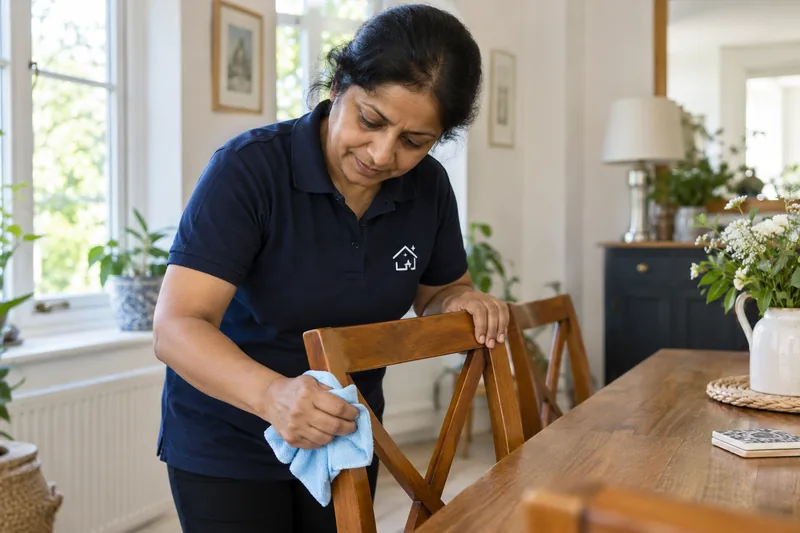
Some jobs are useful occasionally rather than at every appointment. A prepared cupboard interior, reachable skirting in a selected room or a fridge compartment may be worth adding when the ordinary essentials are under control. Choose the specific item and quantity in advance. You can give it time in that visit or ask whether a separate appointment is more appropriate. This is a practical way to include detail without making every routine clean an undefined whole-house project with no clear limit.
Cupboard work illustrates the difference between cleaning and sorting. Wiping an emptied shelf has a defined surface. Handling the contents, deciding what to keep and reorganising a full storage area are other tasks that need your choices and a suitable allowance. Specify which version you want and what preparation will be done. The cleaner can then concentrate on the agreed work without making decisions about personal belongings. If the contents are not ready, the agency can discuss a revised scope instead of silently taking time from the bathroom or kitchen.
An additional room should also be described rather than treated as a minor automatic addition. A spare bedroom may need only accessible dusting, or it may need a linen change and a floor clean before someone stays. A second bathroom has its own fittings and condition. Identify the outcome and the time can be assessed. This lets you choose the useful level of preparation while keeping the original priorities visible, instead of asking for several extra spaces under the label of a quick refresh.
During the visit, extra paid time needs an appropriate approval route. The cleaner should not assume that remaining on site longer is authorised simply because more work exists. Contact the agency if the confirmed selection needs to change. You can choose an agreed extension where feasible or keep the booked period and priorities. A clear decision protects your budget and the cleaner's paid time, including when a new request comes from someone other than the customer who arranged the appointment.
Some conditions need a different response altogether. Repairs, specialist stain treatment, high access or a significant problem with the property should not be folded into an ordinary clean by adding hours without checking suitability. Explain the concern and any known care instruction before the visit. The agency can identify whether it falls within the service. This is more useful than promising a particular finish on an unsuitable surface or leaving a cleaner to attempt work beyond the appointment that was confirmed.
A first appointment is useful evidence for the routine you actually want. Notice which completed tasks relieved the most work and whether another room needs a different allowance. You can adjust later visits around those priorities, with suitable hours checked for the new selection. The plan does not need to become longer every time. It may become more focused, with the same essentials maintained and an occasional extra chosen only when useful. That gives the household a routine it can understand and budget for.
If an agreed task needs review, contact the agency with the room, selected work and concern. A clear photograph can help where appropriate, while avoiding unnecessary personal information. Describe the issue rather than adding several new jobs to the same complaint. The agency can compare the result with the confirmed request and discuss a suitable response. You have a route to raise a concern without having to resolve it through an informal conversation that leaves the original scope or next steps unclear.
Start your Catford request with the full postcode, property type and the rooms you want included. Choose the service, date, time and tasks, then add a short note for an unusual item or a practical access detail. Clear selections do most of the work. You do not need a lengthy description of the neighbourhood or a promise to have the whole property perfectly prepared. The assessment needs the actual workload and the result you value, with suitable help and any preparation agreed openly.
Once the hours and complete quote are clear, you can decide whether the proposed visit is right for you. Suitable cover and the appointment must still be confirmed through the agency. Keep the essentials at the front of the plan and choose extras deliberately. The cleaner receives a clear brief, you retain control over changes and the account gives you a place to follow the booking. The purpose is straightforward: less household work left to organise and more usable time in the rooms you enjoy.
Need to compare the details? See more cleaning questions →
Yes. Select the rooms and tasks that would help most, with the condition and any preparation included in the assessment. A focused request can be more useful than a whole-property list that exceeds the time. The minimum hours for the chosen service still apply, and the complete quote is reviewed before confirmation. You can add occasional detail later when an appropriate allowance has been agreed.
Request the particular laundry stages and approximate ironing quantity alongside the cleaning. A wash cycle may last beyond the appointment, so loading, hanging, folding and putting away should be distinguished. Ironing needs suitable equipment and relevant garment instructions. These tasks use booked time and are assessed with the rooms, rather than assumed to fit after all other work regardless of the load.
Early cleaning requests can begin from 6am under the scheduling rules, subject to suitable cleaner cover. The agency checks the proposed time and the full quote, including relevant adjustments, before confirming. A preferred slot entered in a request is not a guaranteed appointment. Review the date, start time, service and hours together so the visit you accept fits the household and its budget.
Use the agency route to review a change to the agreed work or paid time. An extension depends on suitability and a clear decision; it is not automatically authorised by the existence of more tasks or money in the account. You can keep the original priorities and period instead. Adding occasional jobs before the appointment gives the best opportunity to assess their quantity and include an appropriate allowance.
Take a look around the area, then use your full postcode to plan a clean for your own home.
Area reference only. This map does not mark a company office or confirm service boundaries.
This embedded map is provided by Google, which receives connection information and may use cookies. Google privacy information.
Postcode districts help you browse. They overlap neighbourhood boundaries; your full address and available cleaner time still need checking.
Start with your postcode. We’ll plan the clean around your home.