Weekly cleaning
£24per cleaner-hour
3 hours minimum · £72 daytime basePlan weekly cleaning
Keep the rooms you use most manageable, with a cleaning plan that makes sense for your home. Choose your Sydenham postcode, property, tasks and preferred appointment, then review suitable hours and the whole quote. You can begin with regular essentials, request a one-off catch-up or include defined household help. The work should have a clear purpose, with priorities the cleaner can follow and extra time agreed rather than assumed.

Moving area names stop while hovered or focused. Press Enter or Space, or tap the moving area, to keep them still after leaving. Activate again to allow movement. Browse the directory for the complete list.
A regular helping hand, a proper reset or a clean before your next move. Choose the work your home needs.
Keep the kitchen, bathrooms and everyday rooms feeling cared for.
Explore regular cleaning02 ↗More time for reachable detail and the build-up that needs extra attention.
Explore deep cleaning03 ↗An agreed empty-property checklist, ready for your next chapter.
Explore tenancy cleaningA clear plan for your Sydenham home, from the jobs you need to an agreed visit.
Add your contact details and save your home address.
Pick your service, tasks and property details. Choose a date and start time, then check the full cost.
Top up from £35, with enough to cover the whole visit. The booking amount is reserved from your balance when you confirm.
Agree the plan and an available time. Your visit details stay in your account.
These are starting points. The final scope, timing and suitable cleaner availability need confirmation.
£24per cleaner-hour
3 hours minimum · £72 daytime basePlan weekly cleaning£26per cleaner-hour
3 hours minimum · £78 daytime basePlan fortnightly cleaning£28per cleaner-hour
3 hours minimum · £84 daytime basePlan one-off cleaning£35per cleaner-hour
4 hours minimum · £140 daytime basePlan deep cleaningEarly starts, late finishes and next-day requests can cost more. The full breakdown is shown before agreement. See timing prices and assessed extras →
Studio & 1 bed from £189 · 2 beds from £269 · 3+ beds & houses from £329
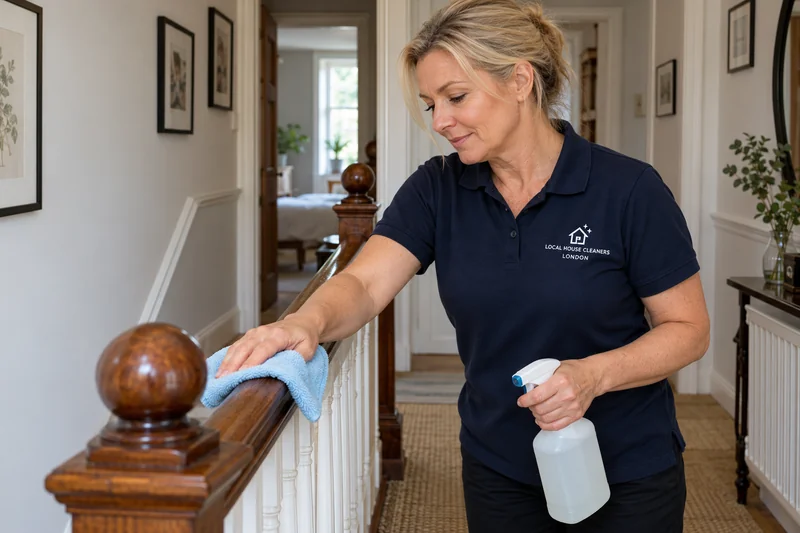 Sydenham · SE26
A clean is more useful when the cleaner knows exactly where to start. Pick your rooms, add your priorities and allow enough time for the work.
Ironing and laundry use the same booked time. A long checklist may need more than the minimum visit.
Build my cleaning planHouse, flat or studio—start with what matters most to you.

When the same chores keep returning, it helps to decide which ones would make the biggest difference if someone else handled them. For you, that could mean the bathroom and kitchen every visit, with the main floors next. Another useful plan could concentrate on selected bedrooms and fresh linen. Start with those results rather than an indiscriminate whole-home list. The appointment can have a sensible order and enough attention for its priorities. You can then use the result to choose what recurring help is worth retaining and what only needs occasional time.
Sydenham contains distinct streets and neighbourhoods rather than one uniform type of home. The council's Thorpes appraisal, for example, places that compact residential estate between Sydenham Road and Mayow Park. It describes a particular part of Lower Sydenham, not every SE26 property. Tell us the layout of your own home and the rooms you actually want included. Original details, modern finishes and different internal arrangements can each affect the task selection. Your postcode locates the request; the property and workload provide the basis for a useful assessment.
Everyday kitchen cleaning can focus on making the chosen working surfaces usable again. Select the sink, worktops and hob exterior, then identify any other fitting or reachable surface wanted. A clear worktop and one filled with belongings need different preparation. You can choose defined clearing help, prepare the surfaces yourself or leave a particular area out. Cupboard sorting and appliance interiors should have their own scope. The cleaner can then spend the allowance on the result you chose instead of making decisions about food, storage and objects that were never discussed.
Bathroom work benefits from the same clear selection. Count the bath or shower, basin, toilet and any separate washroom, and describe the current condition. A shower screen with accumulated residue can require different attention from ordinary maintenance. Choose the fittings that matter most and review whether the first visit needs more time. If the initial list is too ambitious, a focused starting appointment can be more useful than spreading a short allowance across every surface. The later routine can maintain the agreed essentials with occasional detail planned separately.
A dining area can be selected with the kitchen or living room, with its own useful outcome. You might want the cleared table, accessible chair surfaces and the floor around them attended to while a sideboard remains untouched. State whether ordinary items will be cleared beforehand or preparation help is wanted. This keeps the work recognisable and avoids treating the label of a room as a promise to handle every object within it. The allowance can then reflect the surfaces and access actually chosen.

The useful price is the amount for a service and scope you understand. An hourly figure alone cannot tell you whether all your rooms, a linen change and ironing will fit. Start with the selected tasks, quantity and condition, then review the proposed hours. Three hours is a minimum for standard services, not a universal whole-home completion promise. A larger workload can need a longer booking or fewer initial priorities. You can make that choice before confirming rather than discover that an unlimited interpretation of cleaning was never realistic.
Standard daytime starting rates are £24 per hour for weekly cleaning, £26 for fortnightly cleaning and £28 for a one-off clean, each with a three-hour minimum. Deep cleaning starts at £35 per hour and has a four-hour minimum. The final quote must reflect the work and appointment selected, including relevant time or urgency adjustments. These are different services with different purposes, so compare their scope as well as the rate. The agency can explain a recommended allowance without presenting a starting price as an all-inclusive promise for every property.
A routine visit and an intensive first clean can be planned differently. If bathroom build-up or several neglected surfaces need substantial work, describe that honestly. You can discuss a suitable initial service and then a maintenance routine, or choose a smaller first selection that deals with the priorities. This does not mean that every home needs a deep clean before regular help can begin. It means the allowance should reflect the condition found in your request, with a reason for the proposed service rather than a label chosen only for its price.
Keep occasional jobs visible in the quote. A prepared fridge interior, an additional bedroom or a defined laundry task changes the amount of work even if it sounds like a small addition. Select it before confirmation and decide whether it should replace another task or have additional hours. The complete amount, date, start time and booked period should then agree with one another. A clear reservation for that visit helps you follow the funding, while any larger paid scope remains a separate decision rather than an automatic use of the available balance.
The request should describe what will be cleaned and anything that changes how it is approached. Share known care instructions for floors, worktops or a delicate feature, and identify items you want left untouched. A variety of local architecture does not establish what is inside your particular home. Describe an unfamiliar material rather than expecting the cleaner to recognise every finish by sight. The agency can check suitability and explain any limitation, giving you a useful answer before the work is confirmed instead of leaving an improvised treatment to the appointment.
Floor selections can distinguish the living space, hall, bedroom and any internal stairs. Say which surfaces need vacuuming and which are suitable for mopping, with rugs identified where relevant. A reachable area around furniture is different from moving heavy pieces to clean beneath them. Choose the actual scope and share any floor-care instruction you already have. This gives the cleaner a practical route through the selected work. You can prioritise the areas that affect everyday comfort while keeping specialist treatment or furniture handling outside an ordinary floor request unless separately agreed.
Accessible dusting can include the exposed surfaces that make a room feel easier to use: a side table, desk, shelf or reachable skirting. Decide whether possessions will be prepared by you or whether defined preparation help is needed. A shelf holding fragile objects takes different handling from an empty surface. Papers and personal displays can remain undisturbed where that is the chosen boundary. This clarity saves an awkward decision during the visit and preserves attention for the agreed cleaning, rather than turning every surface into an unplanned sorting task.
Cleaner approval and suitability are assessed through the agency before work is allocated. Cover for the selected date still needs checking, and household cleaning does not imply specialist capability for every item. Repairs, restoration, high access or an unusual condition need to be identified as separate concerns. Explain the result you want and any relevant restriction early. The purpose is a service that fits the work, with a practical brief the cleaner can follow and clear limits that protect both your possessions and the quality of the selected ordinary tasks.
For a selected bedroom, point out reachable space beneath a bed only where it forms part of the agreed floor work. An open gap and a storage base need different access, and the cleaner should not be expected to lift a heavy bed or empty drawers without a separate plan. Choosing the reachable area gives the task a useful limit while still allowing attention to the places that matter in your room.
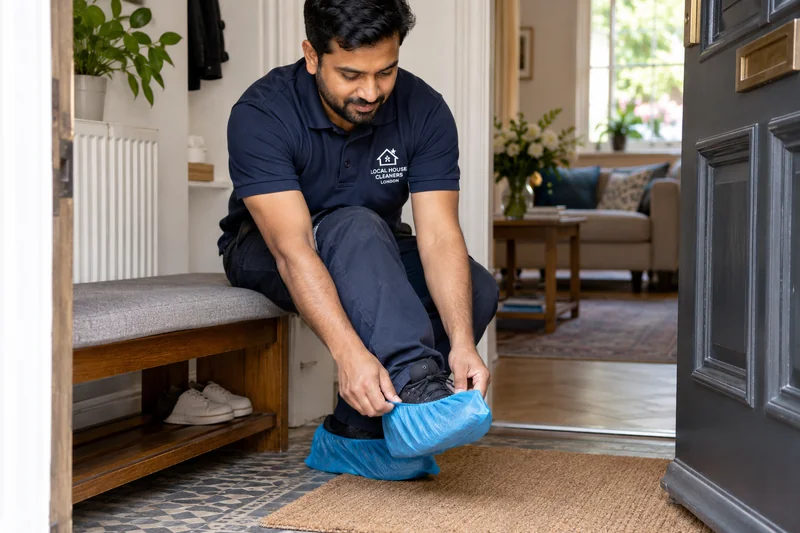
A preferred time makes the task list more useful when it fits the household's actual day. If you need the kitchen for a meal or a bedroom will be occupied, describe the specific restriction. A sensible sequence can keep a necessary room available while the cleaner works elsewhere. You do not need to supply a whole timetable. The important point is which preference affects the selected clean. The agency can check the request against cover and working time, with the final appointment confirmed rather than inferred from the time you initially choose.
Early cleaning requests can begin from 6am within the scheduling rules and subject to suitable cover. Evening work needs to fit the allowed working period, and a different start time can change the complete quote. Urgent next-day requests have their own availability and pricing considerations. Review the amount with the proposed appointment before deciding. You can consider another slot where useful, with the final choice reflecting both convenience and cost. This page does not mean that every requested Sydenham time is an available live appointment without an agency check.
For arrival, use the full postcode and actual entrance details. Sydenham Road or Mayow Park can orient someone to part of the area, but a broad landmark cannot identify a private doorway or provide access permission. Mention an entrance set back from the street, a flat number or relevant internal steps if these apply to your home. Keep the instruction concise and current. The cleaner should be able to reach the right property without spending the appointment finding a different door or contacting several people who do not know the agreed arrangement.
If you will be out, settle an appropriate access plan and contact route before the appointment. Where another person will be present, make clear who can approve a change to the work. The cleaner should not have to choose between competing requests that replace the customer's priorities. If access or timing changes, update the agency promptly. These details are useful because they preserve the period for cleaning and make a practical start possible. They do not authorise a visit to another home or an expanded task list simply because someone nearby asks.

A clean can be more helpful when it removes another recurring household job at the same time. Choose ironing, bed straightening, a linen change or a specific laundry stage where that would relieve your own workload. The amount matters, and these tasks use time alongside cleaning. You can decide whether they belong in the same appointment or should replace a less useful room task that week. A clear combination helps the agency assess hours and gives the cleaner an order that does not depend on an unrealistic expectation of spare time at the end.
Laundry should be described as the stage you want completed. Loading a prepared wash, hanging suitable items, folding a dry load and putting it away are separate pieces of work. A machine cycle or drying period may exceed the visit. State what will already be ready and where agreed items should go, so the request can be assessed honestly. This lets the cleaner make useful progress within the appointment without promising that a large basket will travel from washing to storage regardless of the equipment or period available that day.
For ironing, identify an approximate selection, relevant garment instructions and suitable equipment. A defined group is more useful than a basket with no limit or priority. The same preparation principle helps with beds: count them, set out the correct clean linen and identify the destination for used bedding. Changing a bed is different from straightening it. These choices give the cleaner clear work to perform while preserving the ordinary room tasks you have retained, and they help you compare the benefit of a larger allowance with the time it saves you.
For a booking that has been confirmed, distinguish the available pounds balance from funds reserved for the agreed work. A top-up changes the funds available; it does not itself authorise another task or more paid time. Review the complete quote and relevant funding record through the agency arrangement for that booking. Where account access is provided, its reservation and transaction details can help you follow the agreement. An other request should describe a household task, its quantity and useful result for assessment. The cleaner then works to the confirmed selection, with an appropriate allowance for the help you chose.
Occasional detail can be planned around the routine you value. You might choose reachable cupboard fronts during one appointment and a prepared cupboard interior at another. Describe the item, condition and quantity rather than using a general request for all the little jobs. With an appropriate allowance, the selected task can receive attention without displacing the essentials by surprise. You can also ask whether a separate visit would suit a larger catch-up. The point is to choose the extra deliberately, with a result and cost that you understand before it joins the list.
Preparation is especially important inside cupboards or appliances. Wiping an exposed interior is different from emptying it, sorting the contents and deciding what should be discarded. Identify what will be ready and any handling instruction that applies. Food or personal belongings should not be thrown away on an assumption. Once the contents and scope are settled, the cleaner can concentrate on the selected surfaces. If the preparation is different on arrival, the agency can review a workable response rather than quietly taking the necessary time from the bathroom or other rooms.
An additional bathroom, bedroom or internal level should have a visible place in the assessment. Less frequent use does not automatically make a room a free extra, and its required result can vary. You may want a guest room's accessible surfaces and floor, or full bedding preparation as well. State the selection and the workload can be compared with the existing hours. This lets you keep the same period with different priorities or consider more time, while the original booking remains understandable to both you and the cleaner.
A paid extension during the visit needs a clear decision through the appropriate agency route. More work being present is not automatic permission to remain longer, and an available balance is not unlimited spending authority. You can retain the original hours and priorities where that is the right choice. Some concerns also require a separate service rather than additional ordinary cleaning: specialist treatment, repairs and unsafe access need checking. Describing those concerns early gives you a fairer assessment than expecting an extended routine visit to resolve every condition in the property.
After the first visit, identify what made the home easier for you to maintain. It could be the bathroom attention, the selected floors or the basket of ironing that no longer waits for your evening. Keep those useful elements visible when choosing a recurring plan. The routine can become more focused rather than simply larger, with occasional jobs added only when they deserve an allowance. Feedback about a particular task is more useful than asking for an undefined higher standard across every surface without reviewing time, access or condition.
If something needs review, contact the agency with the selected work and the specific concern. A relevant photograph can help show a fitting or surface, while unnecessary personal information should stay out of the image. The agency can compare the result with the confirmed scope and discuss an appropriate next step. This provides a clear route for a concern without turning the next visit into an informal negotiation or attaching several unselected jobs to the same issue. A new task can be assessed on its own merits and quantity.
Keep the next request current when household needs change. A previously unused room may need attention, a linen change may replace ironing, or the kitchen may need more of the allowance for a particular visit. Clear selections let the agency check the hours and give the cleaner a relevant brief. You do not need to write everything again when the essentials remain the same, but an important change should be visible. This balances useful consistency with control, so the routine follows the home you use now rather than an outdated initial list.
Begin your Sydenham request with the full postcode, property type and chosen rooms, then add the tasks, preferred date and time. Mention condition, care instructions or access only where these affect the visit. Review suitable hours and the complete quote before confirmation, with cover checked for the actual appointment. You can start with the essential work and add defined help where it earns its place. The result is a practical way to give yourself less household work to organise, with a cleaner who knows the priorities and agency support when a decision is needed.
Need to compare the details? See more cleaning questions →
Yes. Select the useful rooms and tasks rather than assuming every space must be included. The chosen service still has its minimum hours, and the workload is assessed against condition, quantity and preparation. You can use a focused first visit to establish which help matters most, then review a recurring selection. The full quote should reflect the plan you accept before the appointment is confirmed.
Request the specific interior, quantity and preparation alongside the routine tasks. Cleaning an emptied surface is different from handling and sorting contents. Extra work uses time, so the agency can assess an additional allowance or an exchange of priorities. Do not assume it will fit after all other tasks. The cleaner should receive the agreed selection and any relevant care instructions before the visit.
Requests can begin from 6am under the scheduling rules, subject to suitable cleaner cover. The appointment and complete price, including relevant timing adjustments, must be checked before confirmation. A preferred early time is not a guaranteed live slot. Give the date and start time with the selected work so the agency can assess the practical appointment rather than the tasks in isolation.
Update the selected work and any quantity or condition that affects it, then review whether the booked hours still suit the request. You can keep the essentials and choose a different occasional task without making the list permanently longer. Any change to paid time or the confirmed scope needs the appropriate agency decision route. Feedback from the earlier result helps make the next selection more useful.
Take a look around the area, then use your full postcode to plan a clean for your own home.
Area reference only. This map does not mark a company office or confirm service boundaries.
This embedded map is provided by Google, which receives connection information and may use cookies. Google privacy information.
Postcode districts help you browse. They overlap neighbourhood boundaries; your full address and available cleaner time still need checking.
Start with your postcode. We’ll plan the clean around your home.